 Save
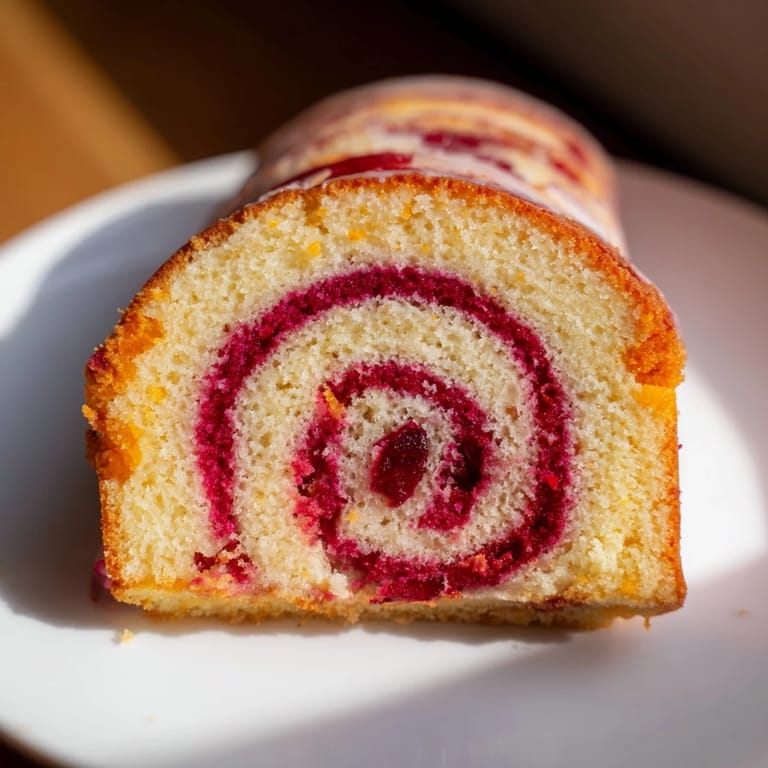
Save I still remember the December afternoon when my grandmother pulled a Cranberry Orange Swirl cake from her oven, the kitchen filling with that unmistakable blend of tart cranberries and bright citrus. I was maybe eight years old, standing on a stool to peer over the counter, absolutely mesmerized by the deep crimson swirls threading through golden cake. She let me help swirl the batter with a skewer that year, and I've been making it ever since, chasing that same magical feeling of holiday warmth and anticipation.
Last year, I baked this cake for my book club on a snowy January evening, and watching my friends' faces light up when they tasted that first forkful reminded me why I love cooking. One friend actually closed her eyes mid-bite, and I knew right then that this wasn't just a cake—it was a moment we'd all remember together.
Ingredients
- Fresh or frozen cranberries (1½ cups): The backbone of this cake's personality. Fresh ones give you more control over the tartness, but frozen work beautifully too. I've learned that thawing them gently at room temperature, rather than forcing them, keeps them from becoming mushy before they even hit the pan.
- Granulated sugar for the swirl (½ cup): This is what transforms the cranberries from just tart to balanced and jammy. Don't skimp here—the sugar is doing the real work.
- Orange juice and zest (2 tbsp juice, 1 tbsp zest): This is where the magic happens. Fresh orange zest makes all the difference. I always zest directly over the bowl so none of those precious oils go to waste.
- All-purpose flour (1½ cups): Your structural foundation. Make sure it's fresh and properly stored so your cake rises beautifully.
- Baking powder and baking soda (1 tsp and ¼ tsp): These two work together like a dance team—the baking powder gives steady lift, while the soda reacts with the sour cream for extra tenderness.
- Unsalted butter (½ cup): Always use softened butter. Cold butter won't cream properly, and you'll end up with a dense cake instead of that feathery crumb you're after.
- Granulated sugar for the batter (¾ cup): Creaming this with the butter is where the cake gets its tender, almost velvety texture.
- Room temperature eggs (2 large): This matters more than you'd think. Cold eggs won't incorporate smoothly, and you'll end up with an uneven crumb. Leave them on the counter for 30 minutes.
- Sour cream (½ cup): The secret to this cake's moisture and subtle tang. It's worth buying the good stuff.
- Fresh orange juice (¼ cup): Use freshly squeezed if you can. The flavor is noticeably brighter and less bitter than bottled.
- Vanilla extract (1 tsp): Just a touch to deepen all those other flavors without announcing itself.
Tired of Takeout? 🥡
Get 10 meals you can make faster than delivery arrives. Seriously.
One email. No spam. Unsubscribe anytime.
Instructions
- Set your stage:
- Preheat your oven to 350°F while you prep your pan. Line it with parchment paper—this simple step means you'll be able to turn the cake out cleanly, which is such a satisfying moment. Get all your ingredients out and ready too. This cake moves quickly once you start, and you want to enjoy the process, not rush it.
- Build the cranberry jewel:
- In a small saucepan, combine your cranberries with sugar, orange juice, and zest. Turn the heat to medium and listen as they start to pop and release their tart juices. Stir gently every minute or so. After about 8-10 minutes, they'll look almost jammy and smell absolutely incredible. Let it cool for a few minutes—you want it warm but not hot—then blend or mash until it's mostly smooth. A few tiny bits of cranberry texture are actually lovely.
- Gather your dry friends:
- In one bowl, whisk together your flour, baking powder, baking soda, and salt. This whisking does more than just mix—it aerates the flour and ensures the leavening agents are evenly distributed throughout. You want those dry ingredients to work as a team.
- Create the foundation:
- In your big mixing bowl, beat the softened butter and sugar together for 2-3 minutes. This is the most important moment in the whole cake. You're not just mixing—you're incorporating air into the butter. When it's ready, it'll be pale, fluffy, and almost cloud-like. This is what gives your cake its tender crumb.
- Introduce the eggs:
- Add your eggs one at a time, beating well after each one. Each egg should be fully incorporated before the next arrives. If the mixture looks a bit curdled at any point, don't panic—just beat it a moment longer.
- Add the moisture and flavor:
- Beat in your sour cream, orange juice, vanilla, and orange zest. The mixture will look a bit loose, almost mousse-like. This is exactly right. All that tart creaminess is what makes this cake stay moist.
- Marry wet and dry:
- This is the moment I think about most carefully. Fold your dry ingredients into the wet mixture gently, mixing just until the white streaks of flour disappear. Stop right there. Overmixing at this point will develop gluten and make your cake tough. You want tender, not tough.
- Create the swirl:
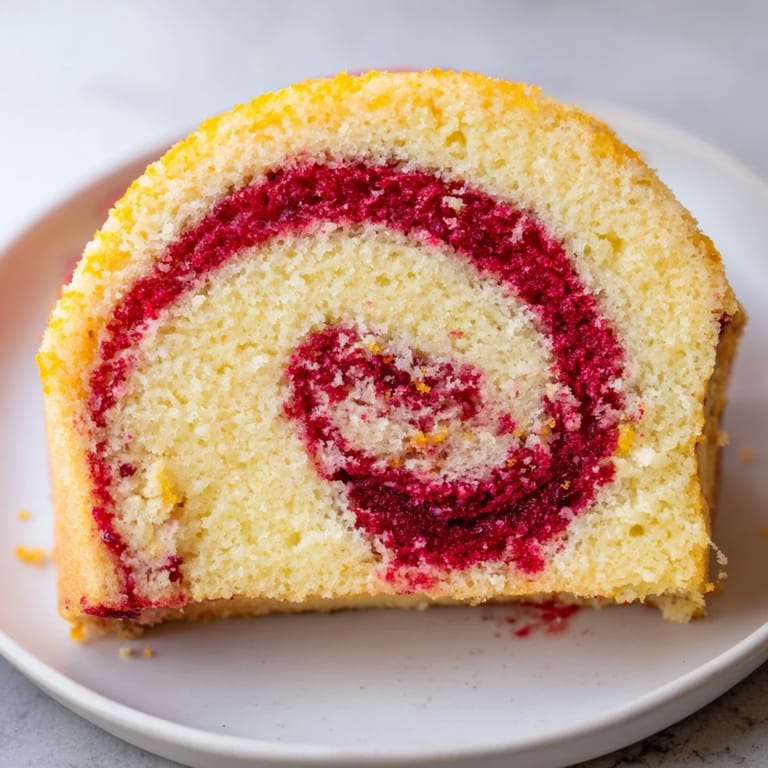
- Pour half your batter into the prepared pan and smooth the top gently. Drop spoonfuls of the cooled cranberry mixture all over it—don't be shy, let them peek out a little. Add the remaining batter, then drop the rest of the cranberry swirl on top. Now comes the fun part: take a skewer or thin knife and gently swirl through the batters in a spiral pattern, like you're painting. Just a few passes. You want visible swirls, not a blended marbling.
- The transformation:
- Slide it into the oven. After about 30-35 minutes, a toothpick inserted in the center should come out clean or with just a few moist crumbs. The top should be golden and springy to the touch. Your kitchen will smell like Christmas morning.
- The patience part:
- Let the cake cool in the pan for 10 minutes. This is harder than it sounds because you'll want to eat it immediately. But this resting time lets the structure set just enough that it won't fall apart when you flip it. Then turn it out onto a wire rack to cool completely. Completely. I know you're tempted to cut into warm cake, but trust me—it slices cleanly when it's cool.
 Save
Save There was a moment during my daughter's seventh birthday party when she took a bite of this cake with her eyes closed, and I realized that some of the best things we make in the kitchen aren't really about following a recipe perfectly—they're about creating something that brings people back to the table, back to each other, time and time again.
The Magic of Citrus in Desserts
Orange and cranberry are a pairing I've come to deeply respect. The brightness of citrus cuts through richness in a way that nothing else quite does. It's why this cake never feels heavy, even though it's absolutely indulgent. I've started experimenting with other citrus too—lemon is beautiful, lime is sophisticated—but there's something about orange that feels like home, especially during the holidays.
Why This Cake Travels Well
This cake actually improves a day or two after baking. The flavors settle and deepen, and the crumb becomes even more tender. I've wrapped it tightly and brought it to potlucks, shipped it to faraway friends, and even packed it for picnics. The structure holds up beautifully, and the cranberry-orange combination stays vibrant and delicious. It's one of those rare desserts that's as happy sitting in a box as it is fresh from the oven.
Finishing Touches That Matter
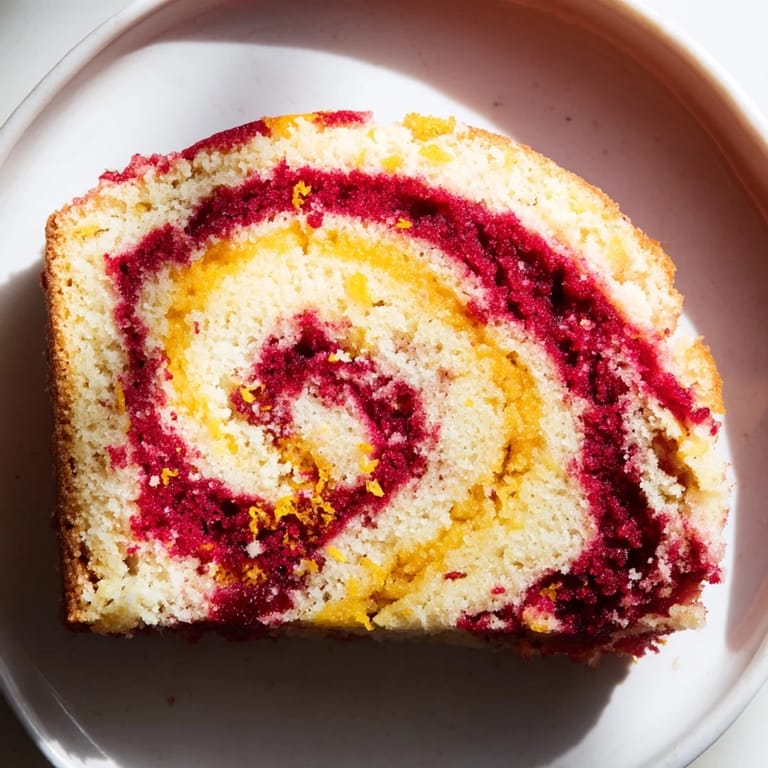
The optional garnish transforms this cake from lovely to show-stopping. A light dusting of powdered sugar gives it an elegant, almost snowy appearance. But if you want to go the extra step, fresh orange zest adds brightness and those sugared cranberries catch the light beautifully. I've also made candied orange peel from scratch to top this cake, and while it takes a little extra time, the sophistication it adds is absolutely worth it.
- Fresh orange zest loses its potency after a few days, so zest your oranges right before you bake, or even zest them directly into your mixing bowl
- If you can't find fresh cranberries and you're using frozen, thaw them gently in the refrigerator rather than at room temperature to keep them as intact as possible
- Pair a slice with something warm—Earl Grey tea is classic, but hot chocolate or even a glass of sparkling Moscato makes it feel like a celebration
 Save
Save This cake is more than just a dessert—it's a moment of brightness in the kitchen, a reason to gather, and a memory waiting to happen. Make it with someone you love, or make it just for yourself on an ordinary Tuesday and pretend that's reason enough for celebration.
Recipe FAQs
- → How do I create the cranberry swirl?
Simmer cranberries with sugar, orange juice, and zest until softened and thickened, then puree or mash until smooth before incorporating into the batter.
- → Can I use frozen cranberries instead of fresh?
Yes, frozen cranberries work well and can be used directly in the simmering process without thawing first.
- → What is the best way to achieve the swirl pattern?
After layering the batter and cranberry mixture, gently use a skewer or knife to create spiral motions, blending but not overmixing for a distinct swirl effect.
- → How should this dessert be served?
Allow the cake to cool completely, optionally dust with powdered sugar, and garnish with extra orange zest or sugared cranberries before cutting.
- → Are there any suggested pairings?
Pair with sparkling Moscato wine or a cup of Earl Grey tea to complement the citrus and berry flavors.
- → Can sour cream be substituted?
Greek yogurt can be used instead of sour cream for a richer and slightly tangier taste.