 Save
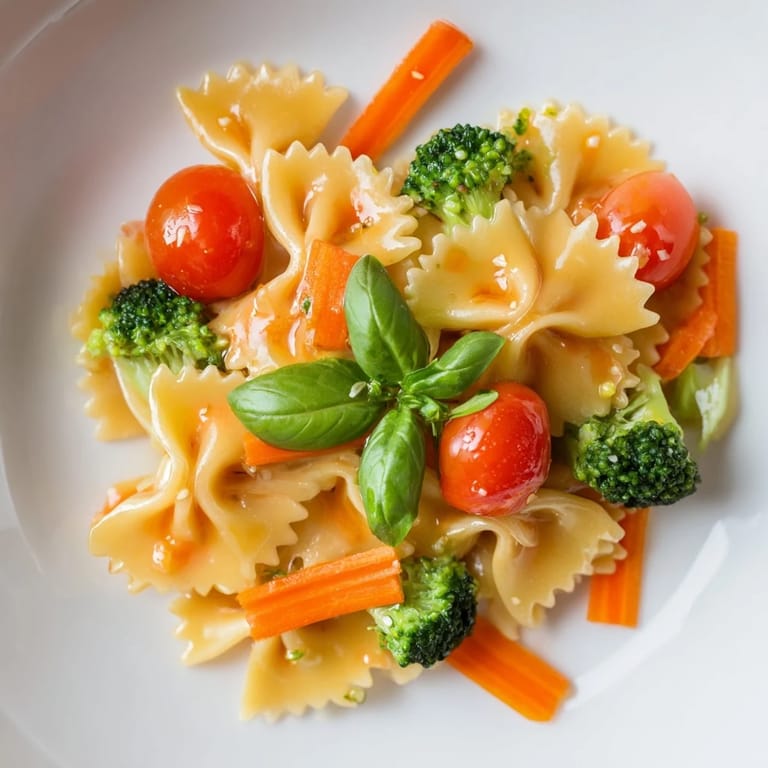
Save Last spring, my neighbor Sarah brought over an armful of vegetables from her garden and challenged me to make something that would impress her picky seven-year-old. The result was this rainbow pasta that somehow convinced a child who refused to eat anything green to ask for seconds. Now it is my go-to for those nights when I want something that feels like a celebration on the plate without spending hours in the kitchen.
I made this for my sister last month when she was recovering from surgery and needed comfort food that would not leave her feeling heavy. She called me the next day to say it was the first time in weeks she had actually looked forward to eating. That is when I knew this recipe was about more than just vegetables and pasta.
Ingredients
- Bow-tie pasta: The ridges catch the light sauce and the shape holds onto small vegetable pieces perfectly
- Cherry tomatoes: Halved, they burst slightly and create little pockets of sweetness throughout the dish
- Asparagus: Cut into bite-sized pieces, they add a gentle crunch and earthy flavor
- Red bell pepper: Thinly sliced for visual contrast and a sweet, mild pepper flavor
- Yellow squash: Half-moon slices look beautiful and add a tender texture that cooks quickly
- Broccoli florets: Small pieces that soften just enough while maintaining their bright green color
- Carrots: Julienned thin so they cook through and add a subtle sweetness and vibrant orange color
- Red onion: Thinly sliced for just a hint of sharpness that balances the sweet vegetables
- Frozen peas: Added at the end for pops of bright green and natural sweetness
- Extra-virgin olive oil: Creates a silky base that carries the garlic and lemon flavors
- Garlic: Minced fresh and sautéed briefly to infuse the oil without becoming bitter
- Red pepper flakes: Optional but adds a gentle warmth that makes all the flavors pop
- Lemon zest and juice: Brightens everything and cuts through the olive oil for a balanced finish
- Fresh basil and parsley: Tossed in at the end for an aromatic finish that makes the dish taste garden-fresh
- Parmesan cheese: Optional garnish that adds a salty, savory finish if you eat dairy
Tired of Takeout? 🥡
Get 10 meals you can make faster than delivery arrives. Seriously.
One email. No spam. Unsubscribe anytime.
Instructions
- Get the pasta going first:
- Bring a large pot of generously salted water to a rolling boil and cook the bow-tie pasta until al dente, usually about 10 to 11 minutes, but trust your taste buds more than the package timer. Reserve that precious half cup of starchy pasta water before draining.
- Warm up your skillet and infuse the oil:
- While the pasta bubbles away, heat two tablespoons of olive oil in your largest skillet over medium heat and add the minced garlic with red pepper flakes if you like a little warmth. Let them sizzle for just one minute until your kitchen smells incredible.
- Start with the harder vegetables:
- Add the carrots, broccoli, and asparagus to the fragrant oil and sauté them for three to four minutes until they begin to soften but still have some bite to them.
- Add the softer vegetables:
- Toss in the red onion, bell pepper, yellow squash, and a pinch of salt, then cook for another three to four minutes until everything is tender but still vibrant and colorful.
- Add the delicate vegetables:
- Stir in the cherry tomatoes and frozen peas and cook for just two minutes until the tomatoes are heated through and the peas are no longer frozen.
- Combine everything:
- Add the drained pasta to the skillet along with the remaining olive oil, lemon zest, and lemon juice, tossing everything together like you are conducting an orchestra. Add that reserved pasta water a little at a time until the sauce coats each piece of pasta in a silky glaze.
- Season to perfection:
- Taste your creation and add more salt and black pepper until the flavors sing, remembering that the lemon should brighten without overwhelming.
- Finish with fresh herbs:
- Remove the skillet from heat and toss with Parmesan if you are using it, then add the fresh basil and parsley so they stay vibrant and aromatic.
- Serve it up:
- Plate the pasta immediately while it is still steaming hot and consider passing extra Parmesan and herbs at the table for everyone to customize their bowl.
 Save
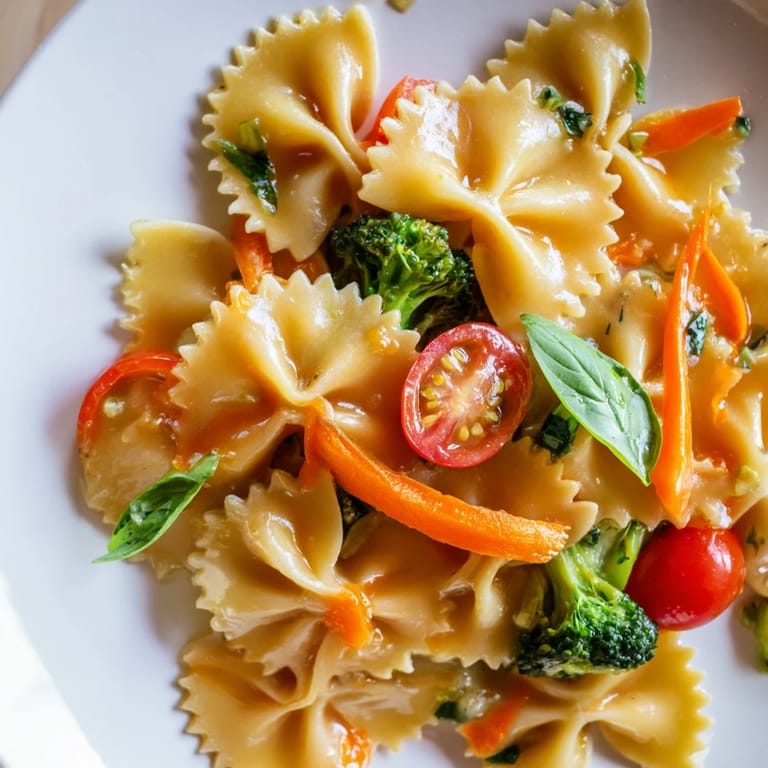
Save This pasta became a staple in my house after the night my college roommate came over and we ended up eating the entire batch straight from the skillet while standing at the counter. Sometimes the best meals are the ones that happen spontaneously with people you love.
Make It Your Own
The beauty of this recipe is how forgiving it is, which I learned the time I could not find yellow squash at the grocery store and used zucchini instead. The dish still looked stunning and tasted even better than I expected, which taught me that the method matters more than the exact ingredients.
Perfect Wine Pairing
A crisp Sauvignon Blanc or Pinot Grigio cuts through the olive oil while complementing the fresh vegetables without overpowering their delicate flavors. I keep a bottle of either on hand specifically for this recipe because the pairing transforms dinner into something that feels like a restaurant experience.
Storage and Meal Prep
This pasta keeps beautifully for three to four days in the refrigerator, though the vegetables will soften slightly as they sit. I like to make a double batch on Sunday because having this ready to reheat for a quick weekday dinner feels like having a homemade meal waiting for me when I am too tired to cook.
- Squeeze a little fresh lemon juice over leftovers before reheating to brighten the flavors again
- The pasta absorbs sauce as it sits, so splash in a teaspoon of water when reheating
- Store the Parmesan separately if you plan to meal prep this for several days
 Save
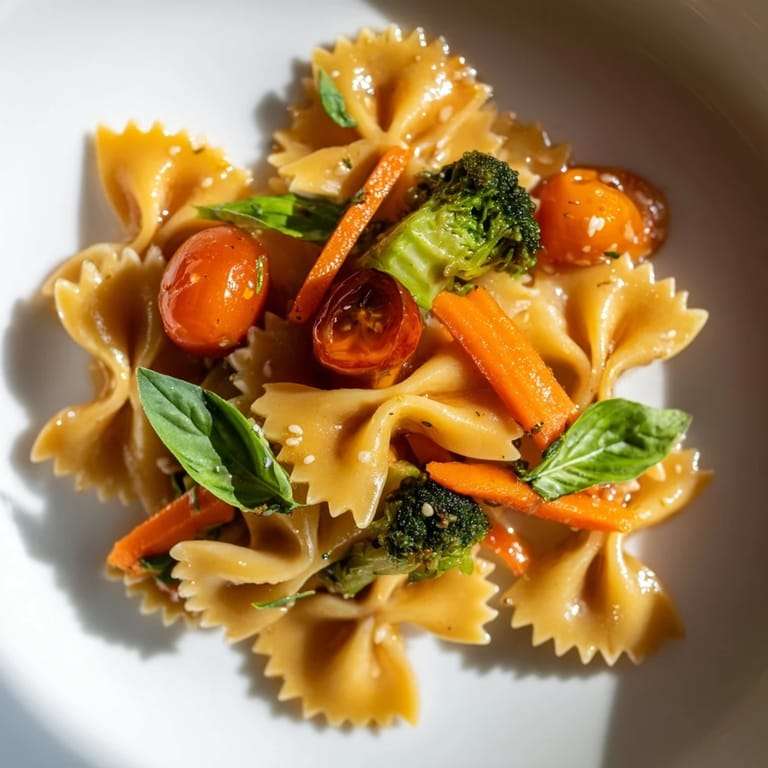
Save There is something deeply satisfying about a meal that looks this beautiful and tastes this fresh while being so incredibly simple to prepare.
Recipe FAQs
- → Can I use a different pasta shape?
Absolutely. While bow-tie pasta is visually appealing and catches sauce well, you can substitute with penne, fusilli, or any short pasta variety. Longer pastas like spaghetti also work but are slightly less traditional for primavera preparations.
- → How do I prevent vegetables from becoming overcooked?
Add vegetables in stages based on cooking time: start with harder vegetables like carrots and broccoli, then add medium-cooking vegetables like asparagus and bell pepper, finishing with quick-cooking items like tomatoes and peas. This ensures all vegetables finish tender yet vibrant.
- → What makes the sauce silky without cream?
The reserved pasta water contains starch that emulsifies with the olive oil and lemon juice, creating a naturally silky sauce. This technique, called pasta water emulsion, is fundamental to Italian pasta preparation and provides body without heavy cream.
- → How can I make this vegan?
Simply omit the Parmesan cheese or substitute with nutritional yeast or vegan parmesan alternatives. All other ingredients are naturally plant-based, making this an excellent vegetarian and vegan option with minimal modifications.
- → Can I prepare this ahead of time?
While best served immediately, you can prepare components separately: cook pasta and vegetables up to 2 hours ahead, then quickly reheat and toss together with sauce before serving. Avoid combining everything too early as pasta absorbs sauce and loses texture.
- → What vegetables work best as substitutes?
Any seasonal vegetables work well: zucchini, snap peas, green beans, fennel, or mushrooms. Choose vegetables with varying colors and textures for visual appeal and interesting flavors. Harder vegetables require longer cooking than softer ones.