 Save
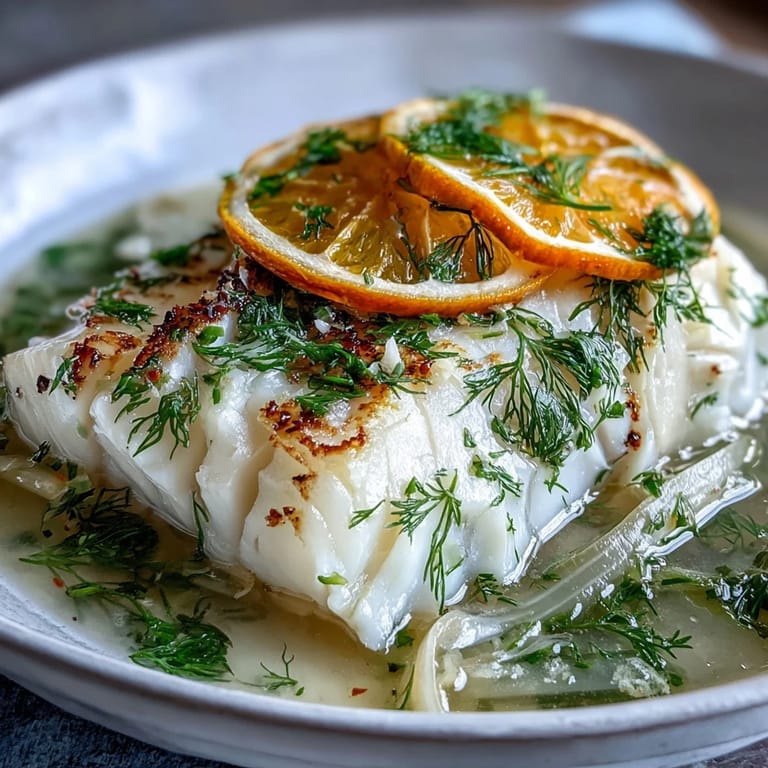
Save My neighbor stopped by one afternoon with a bunch of fennel from her garden, and I suddenly remembered a dish I'd had years ago at a small coastal restaurant where the chef made something almost magical with fish and anise-scented vegetables. That evening, I pulled together what I had in the kitchen and created this poached cod, which turned out to be exactly the kind of meal that feels effortless but tastes like you've been planning it for days. The bright citrus and gentle heat transform something so simple into something memorable.
I made this for my partner on a random Tuesday when I wanted to prove that healthy eating didn't have to taste like sacrifice, and watching them go back for seconds told me everything I needed to know. The aroma filling the kitchen—that perfect blend of orange, fennel, and wine simmering together—became the smell of a turning point, when I realized good food doesn't require hours or intimidating techniques.
Ingredients
- Fresh cod fillets (4, about 150 g each): Look for fillets that are bright and smell like the ocean, not fishy; they should feel firm to the touch and be consistent in thickness so they cook evenly.
- Fennel bulb (1 large): Choose one that's creamy white with no brown spots, and don't throw away those feathery fronds because they're the secret to an elegant finish.
- Orange (1): Pick one that feels heavy for its size; you'll use both the zest and slices, so look for thin-skinned varieties if you can.
- Shallot (1 small): Shallots add a gentle sweetness that garlic alone can't replicate, so don't skip them or swap them for onion.
- Garlic cloves (2): Smashing them rather than mincing releases more flavor into the broth without overwhelming the delicate fish.
- Fish or vegetable stock (500 ml): Low-sodium is essential because the liquid reduces slightly and you want to control the salt yourself.
- Dry white wine (120 ml): A crisp, unoaked wine works best; if you don't drink wine, you can use an extra splash of stock and a squeeze of lemon instead.
- Extra virgin olive oil (2 tbsp): This isn't cooking oil territory—use something you'd drizzle on finished food because it matters here.
- Bay leaf (1): Just one, nestled into the liquid to perfume everything without being identifiable on the plate.
- Sea salt and black pepper: Season lightly at first; you can always add more but you can't take it back.
Tired of Takeout? 🥡
Get 10 meals you can make faster than delivery arrives. Seriously.
One email. No spam. Unsubscribe anytime.
Instructions
- Build the aromatic base:
- Heat the olive oil in your skillet over medium heat until it shimmers, then add the fennel, shallot, and smashed garlic. Cook for about 3 to 4 minutes, stirring occasionally, until the vegetables soften and release their sweetness without browning too much.
- Create the poaching liquid:
- Add the orange slices, orange zest, bay leaf, white wine, and stock to the pan, bringing everything to a gentle simmer that looks like tiny bubbles lazily rising to the surface. This should take a few minutes, and you'll notice how the aromas shift as the wine cooks off.
- Prepare the cod:
- While the liquid comes together, pat your cod fillets dry with a paper towel and season them very lightly with salt and pepper. Drying them helps them cook more evenly and prevents them from steaming.
- Nestle and poach:
- Gently lay the cod fillets into the simmering liquid in a single layer, making sure each one is partially submerged. Reduce the heat to low, cover the pan, and let them poach undisturbed for 8 to 10 minutes.
- Check for doneness:
- The fish is ready when it's completely opaque and flakes apart with the gentlest pressure of a fork; the flesh should look moist, never dry or chalky. This usually takes about 9 minutes for average-sized fillets.
- Plate and serve:
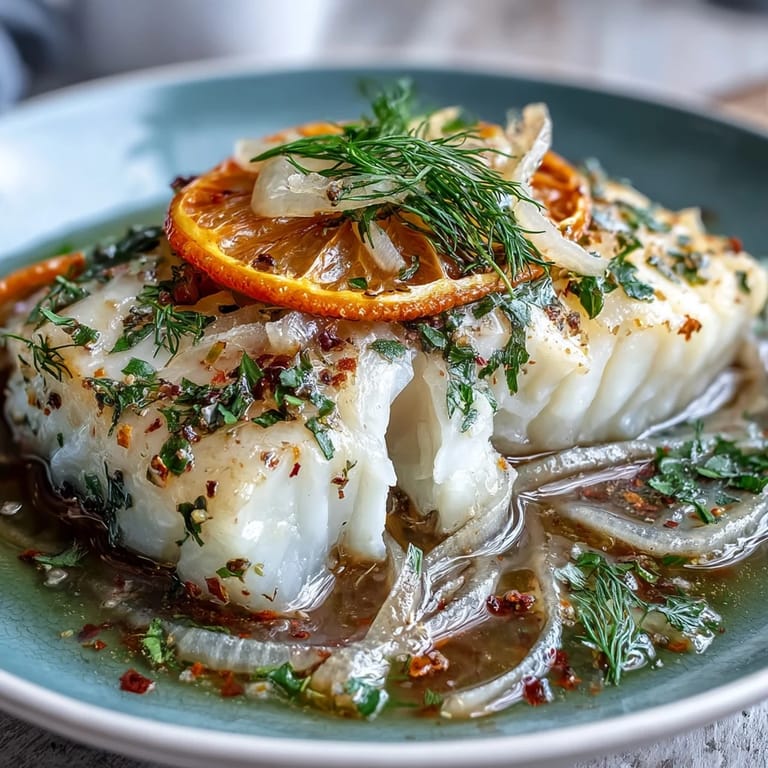
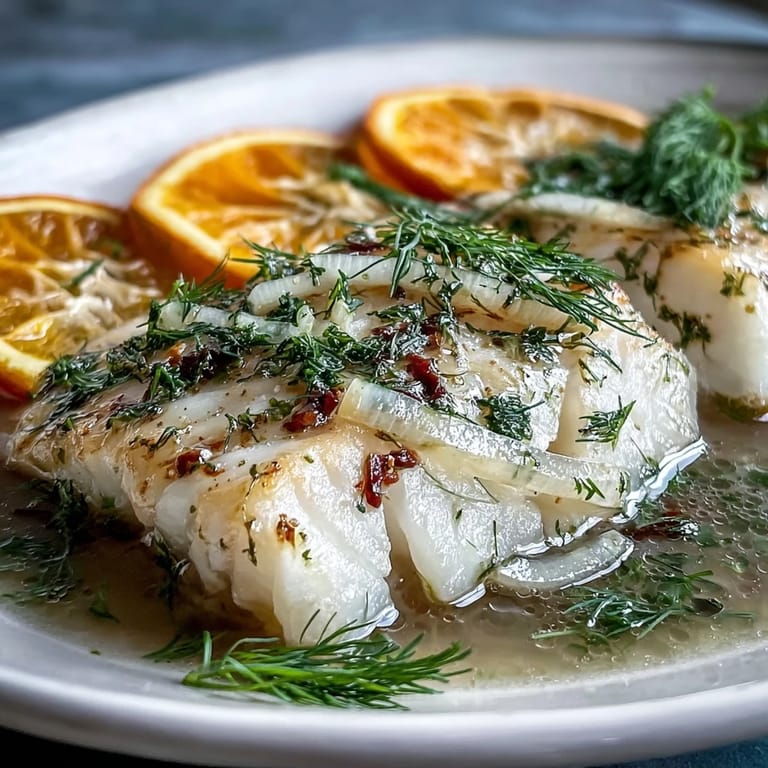
- Using a slotted spatula, carefully lift each fillet onto a warm plate along with some of the fennel and orange slices. Spoon some of the aromatic broth over everything, then garnish with chopped fennel fronds, extra orange zest, and a final grind of black pepper.
 Save
Save There's a moment when you lift the lid and that fragrant steam rises up, hitting your face with orange and anise, where you realize this simple technique has created something restaurant-quality. That's when someone from the other room asks what smells so good, and you know you've made something worth remembering.
Why Fennel Transforms This Dish
Fennel has this quiet magic where it becomes sweeter as it cooks, almost like caramel but fresher, and it softens the brightness of the orange rather than fighting against it. I used to think fennel was too assertive until I poached it gently like this, and now I understand why Mediterranean cooks lean on it so heavily. The fronds scattered over the top at the end remind you that this vegetable was alive and growing, which somehow makes the whole plate feel more intentional.
The Magic of Poaching Liquid
Everything happening in that skillet—the wine reducing, the stock absorbing the aromatics, the orange infusing everything—creates a finished sauce without any cream or butter. It's the kind of cooking that feels almost meditative, where you're not wrestling with the food but letting it cook itself gently into something beautiful. The liquid that surrounds the fish becomes the best part, the part people want to soak bread into and ask for the recipe.
Serving Suggestions and Final Thoughts
This dish asks for something to soak up the broth, whether that's a crusty piece of bread, steamed potatoes, or even soft polenta. The simplicity of the cooking method means you could add fresh thyme sprigs or a splash of Pernod to the liquid if you want to lean into herbal notes, or swap the cod for halibut or sea bass depending on what looked best at the market. The beauty is in knowing the technique so well that you can improvise with confidence.
- Serve this on warmed plates so the dish stays hot from first bite to last.
- If you make this ahead, reheat gently on the stovetop rather than the microwave to keep the fish tender.
- Leftover poaching liquid makes an incredible base for a light soup the next day.
 Save
Save This meal taught me that some of the most impressive dishes are the ones where technique matters more than ingredient count, and where patience—just keeping that heat low and letting time do the work—is the real secret. Make it once and you'll find yourself returning to it whenever you want to feel like you're cooking something that matters.
Recipe FAQs
- → How do I know when the cod is fully cooked?
The cod is done when the fillets turn opaque throughout and flake easily when tested with a fork. This typically takes 8–10 minutes of gentle poaching over low heat.
- → Can I use frozen cod fillets?
Yes, frozen cod works well. Thaw completely in the refrigerator before cooking and pat dry with paper towels to remove excess moisture.
- → What white wine works best for poaching?
A dry white wine like Sauvignon Blanc, Pinot Grigio, or dry Chenin Blanc complements the delicate fish without overpowering the citrus and fennel flavors.
- → Can I substitute the cod with other fish?
Absolutely. Halibut, haddock, sea bass, or even tilapia work beautifully with this poaching method. Adjust cooking time slightly for thicker fillets.
- → What sides pair well with this dish?
Steamed potatoes, crusty bread for soaking up the aromatic broth, or a simple green salad with lemon vinaigrette make excellent accompaniments.
- → How can I add more depth to the poaching liquid?
Add fresh thyme sprigs, a splash of Pernod or anise-flavored liqueur, or a pinch of saffron to enhance the Mediterranean flavors.