 Save
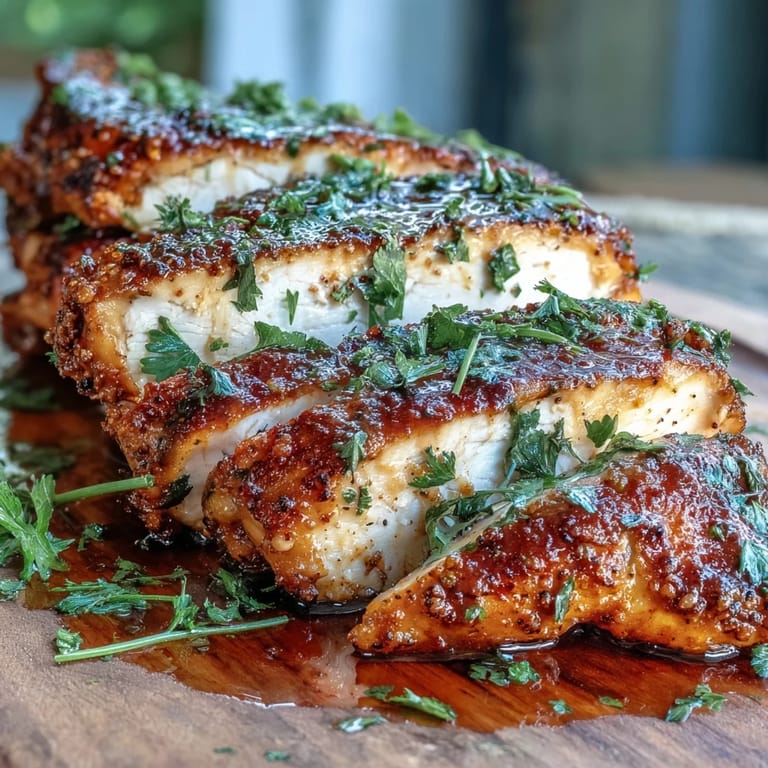
Save The smell of garlic and paprika hitting hot olive oil used to send my dog running to the kitchen before I even opened the oven door. I started making this chicken on repeat during a particularly chaotic month when I needed something foolproof that didn't require a marinade or any fussy steps. What surprised me most was how a simple rub could create such deep flavor, and how fast twenty minutes in the oven could feel when you're actually hungry. Now it's my default whenever I need protein that works in grain bowls, wraps, or straight off the pan with a squeeze of lemon. Some recipes earn their place by being quiet workhorses, and this one never lets me down.
I made this for a friend who swore she hated chicken breast because it always turned out dry and bland. She watched me pound the chicken to an even thickness and looked skeptical, but when she tasted it, she went quiet for a second and then asked for the recipe on her phone right there at the table. That night taught me that technique matters more than fancy ingredients. Sometimes the smallest adjustment, like making sure the meat is the same thickness all the way through, is the difference between rubbery and tender.
Ingredients
- Boneless, skinless chicken breasts: Look for pieces that are similar in size so they cook evenly, and don't skip the pounding step or you'll end up with thick centers that take forever and thin edges that dry out.
- Olive oil: This helps the spices stick and creates a light coating that encourages browning without making the chicken greasy.
- Garlic powder: I prefer this over fresh garlic for dry rubs because it distributes evenly and won't burn in the oven.
- Onion powder: It adds a subtle sweetness and depth that balances the sharper notes of garlic and paprika.
- Paprika: Smoked paprika gives a campfire vibe, while sweet paprika keeps it mellow, either works beautifully depending on your mood.
- Dried oregano or Italian seasoning: A little herby backbone that makes the whole thing smell like something you've been cooking all day.
- Salt and black pepper: These wake up every other flavor, so don't be shy, but also don't go overboard if you're using the optional marinade with soy sauce.
- Lemon slices and fresh parsley: Totally optional, but a squeeze of lemon right before serving brightens everything and makes it feel a little fancy.
- Simple Marinade ingredients: If you have an extra thirty minutes, this mix of olive oil, lemon juice, soy sauce, honey, Dijon, and garlic turns the chicken incredibly flavorful and just a touch sweet.
Tired of Takeout? 🥡
Get 10 meals you can make faster than delivery arrives. Seriously.
One email. No spam. Unsubscribe anytime.
Instructions
- Preheat and Prep Your Pan:
- Set your oven to 400°F and line a baking sheet with parchment paper or give a baking dish a light greasing. This keeps cleanup easy and prevents sticking.
- Even Out the Chicken:
- Pat the chicken breasts dry with paper towels, then place them between two sheets of parchment or plastic wrap and gently pound them to about three-quarters of an inch thick. This step is non-negotiable if you want juicy, evenly cooked meat.
- Mix the Seasoning:
- In a small bowl, combine olive oil, garlic powder, onion powder, paprika, oregano, salt, and pepper until it looks like a paste. It should smell incredible right away.
- Coat the Chicken:
- Rub the seasoning mixture all over both sides of each chicken breast, pressing it in a little so it sticks. If you marinated the chicken earlier, pat it dry first so the rub adheres properly.
- Arrange and Bake:
- Lay the chicken in a single layer on your prepared pan, leaving a little space between each piece so the heat circulates. Bake for 18 to 22 minutes, checking with a thermometer to make sure the thickest part hits 165°F.
- Rest and Serve:
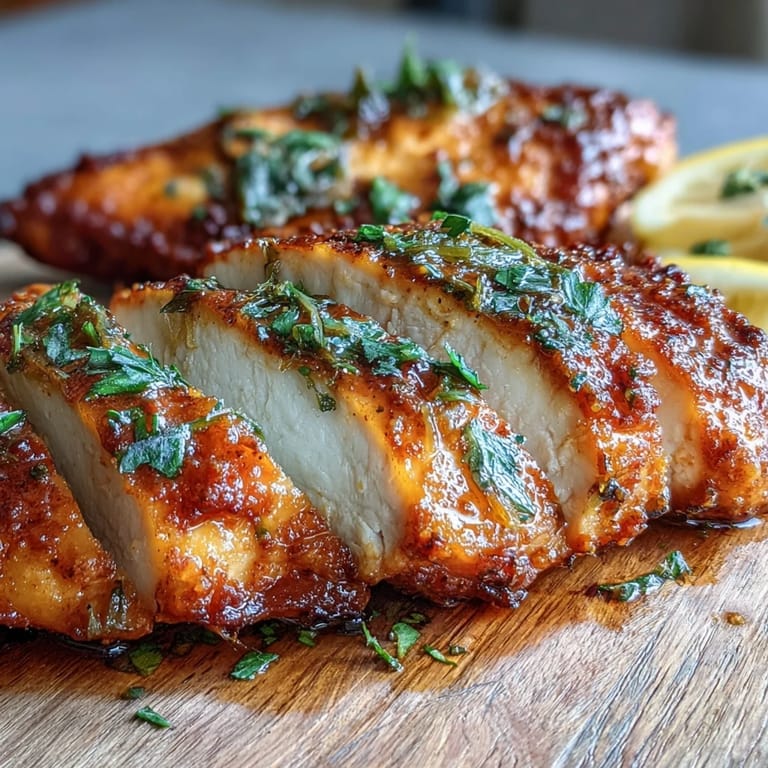
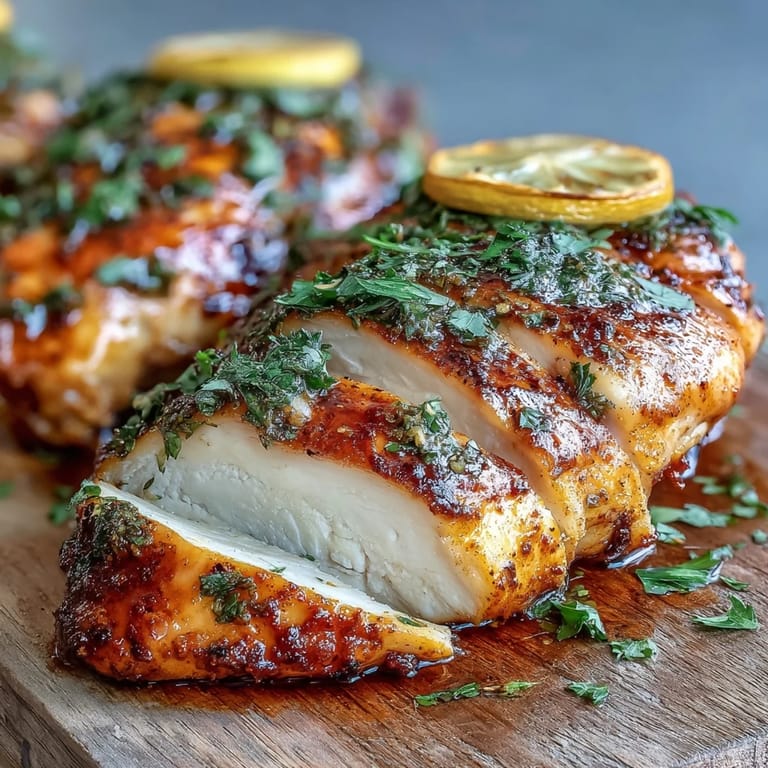
- Pull the chicken out and let it rest for five minutes before slicing, this keeps the juices inside instead of all over your cutting board. Garnish with lemon and parsley if you're feeling it, then serve warm.
 Save
Save One Sunday I made a double batch and packed it into containers with roasted sweet potatoes and greens, and by Wednesday I was so grateful to past me for thinking ahead. There's something quietly satisfying about opening the fridge and seeing a week's worth of lunches already handled. That's when this recipe stopped being just dinner and started feeling like a small act of self-care.
How to Know When It's Done
The best way to check doneness is with an instant-read thermometer, you're looking for 165°F in the thickest part of the breast. If you don't have a thermometer, slice into the thickest piece and make sure the juices run clear and there's no pink in the center. Oven temperatures vary, so start checking around the 18-minute mark to avoid overcooking.
Storing and Reheating
Once the chicken has cooled completely, store it in airtight containers in the fridge for up to four days. I like to slice it before storing so it's ready to toss into salads or wraps without any extra work. To reheat, use the microwave on medium power in short bursts, or warm it gently in a skillet with a splash of water or broth to keep it from drying out.
Ways to Switch It Up
If you want a little heat, add a pinch of cayenne or red pepper flakes to the seasoning mix. Chicken thighs work beautifully here too, just add five to seven minutes to the baking time and you'll get even juicier results. This pairs perfectly with roasted vegetables, a big green salad, quinoa, rice, or even tucked into a pita with tzatziki.
- Try swapping the oregano for thyme or rosemary if you want a more earthy flavor.
- Brush the chicken with a little melted butter or ghee halfway through baking for extra richness.
- Serve it over pasta with a light lemon butter sauce for an easy weeknight dinner that feels special.
 Save
Save This recipe has pulled me through busy weeks, last-minute dinners, and plenty of moments when I just needed something reliable. I hope it does the same for you.
Recipe FAQs
- → How do I keep chicken breasts from drying out in the oven?
Pound the chicken to even thickness so it cooks uniformly, and use a meat thermometer to remove at exactly 165°F. Letting the meat rest for 5 minutes after baking allows juices to redistribute throughout the breast.
- → What temperature should I bake chicken breasts?
Bake at 400°F (200°C) for 18–22 minutes. This higher temperature creates a nice exterior while cooking the inside quickly to prevent drying. Always verify doneness with an instant-read thermometer.
- → Should I cover chicken breasts when baking?
Bake uncovered for the best results. Covering traps steam and prevents the spices from creating a flavorful crust. The chicken stays moist naturally when cooked to the proper temperature and allowed to rest.
- → How long can I marinate the chicken?
Marinate for 30 minutes up to 2 hours in the refrigerator. Longer marinating times don't significantly improve flavor for chicken breasts and can affect texture. Always pat dry before applying the dry spice rub.
- → Can I use frozen chicken breasts?
Thaw completely before baking for even cooking. Frozen chicken cooks unevenly and may remain raw in spots while overcooking elsewhere. Thaw overnight in the refrigerator or use the cold water method for faster results.