 Save
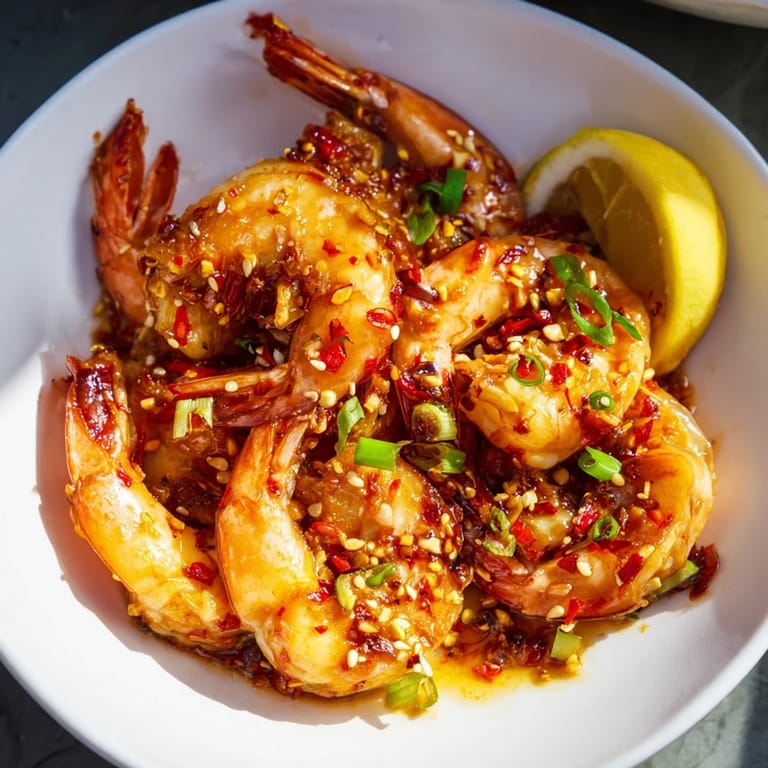
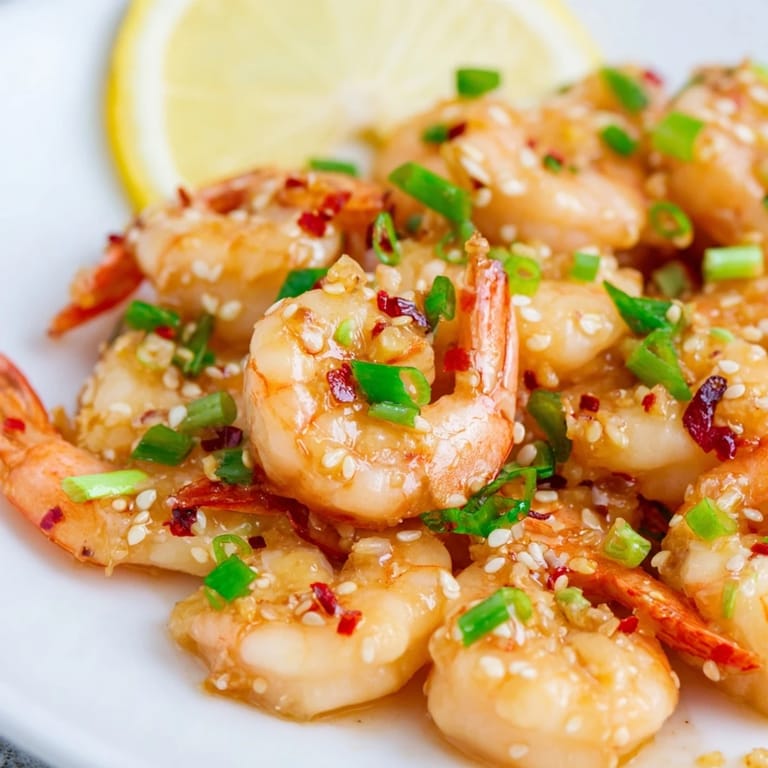
Save I didn't plan to fall in love with this dish, but one rainy Tuesday after work, I found a bag of frozen shrimp in the back of the freezer and a jar of gochugaru I'd bought on impulse months before. I melted butter, tossed in garlic, and the kitchen filled with that unmistakable warm, toasted scent. The chili flakes turned the butter sunset orange, and when the shrimp hit the pan, everything sizzled and popped. I ate half the batch standing at the stove, and the other half never made it to a plate.
The first time I made this for friends, I doubled the recipe and set it out on a big white platter with lemon wedges scattered around the edge. Everyone went quiet for a moment, then someone said it smelled like a street food stall in Seoul, even though none of us had been. We ate with our hands, licking our fingers between bites, and I knew this was going into my regular rotation.
Ingredients
- Large shrimp, peeled and deveined: The star of the dish, look for shrimp that are firm and smell like the ocean, not fishy, and pat them completely dry so they sear instead of steam.
- Unsalted butter: This creates the silky base for the sauce and lets you control the salt level, plus it carries the garlic flavor beautifully without burning.
- Garlic, minced: Fresh is essential here, the aroma when it hits hot butter is what makes the whole kitchen smell like magic, just don't let it brown or it turns bitter.
- Gochugaru (Korean chili flakes): This brings a smoky, fruity heat that's nothing like regular red pepper flakes, it blooms in the butter and stains everything a gorgeous red.
- Soy sauce: Adds a salty, umami backbone that balances the sweetness, use gluten free if needed and it works just as well.
- Honey: A spoonful of honey rounds out the heat and helps the sauce cling to the shrimp, you can swap for brown sugar but honey gives a softer sweetness.
- Sesame oil: Just a teaspoon adds that nutty, toasted depth that makes everything taste more Korean, don't skip it.
- Chopped scallions: Bright green and sharp, they cut through the richness and add a fresh crunch on top.
- Toasted sesame seeds: They look pretty and add a tiny pop of texture, plus they smell incredible when you sprinkle them over hot shrimp.
- Lemon wedges: Optional but a squeeze of lemon at the end wakes up all the flavors and adds a little brightness.
Tired of Takeout? 🥡
Get 10 meals you can make faster than delivery arrives. Seriously.
One email. No spam. Unsubscribe anytime.
Instructions
- Dry the shrimp:
- Use paper towels to pat each shrimp completely dry, this step matters because wet shrimp steam instead of sear, and you want that golden edge. Set them aside on a plate while you prep everything else.
- Melt the butter:
- Heat a large skillet over medium and add the butter, let it melt slowly and start to foam, the pan should be hot but not smoking.
- Cook the garlic:
- Toss in the minced garlic and stir constantly for about a minute, you'll smell it bloom and soften, but pull it off the heat the second it starts to turn golden or it'll taste bitter.
- Build the sauce:
- Stir in the gochugaru, soy sauce, honey, and sesame oil, everything will sizzle and the butter will turn a beautiful deep orange. Cook for just 30 seconds to let the flavors meld.
- Sear the shrimp:
- Arrange the shrimp in a single layer in the pan, let them cook undisturbed for 2 to 3 minutes until the bottoms turn pink and slightly golden, then flip and cook the other side until opaque.
- Toss and coat:
- Give everything a good toss so the shrimp are completely coated in that glossy, spicy butter sauce. Remove the pan from the heat immediately so they don't overcook.
- Plate and garnish:
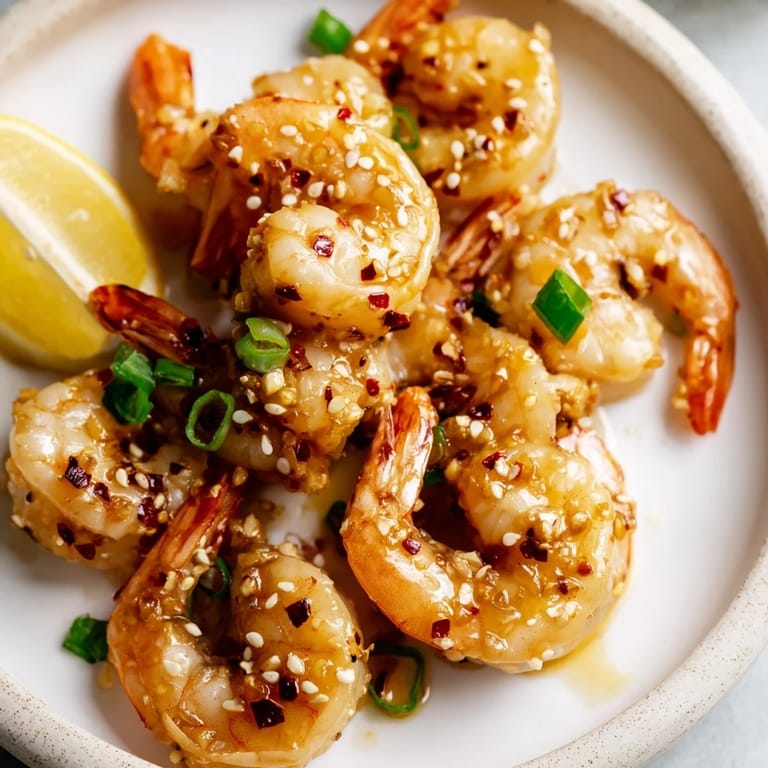
- Transfer the shrimp to a serving platter, scraping every bit of sauce from the pan, then sprinkle with chopped scallions and toasted sesame seeds.
- Serve hot:
- Set out lemon wedges on the side for anyone who wants a squeeze, and serve right away while everything is still steaming.
 Save
Save One night I made this after a long day and sat on the couch with the whole pan in my lap, no plate, no shame. The butter pooled at the bottom and I soaked it up with torn pieces of bread, licking my fingers between bites. It tasted like comfort and a little bit of luxury, the kind of meal that makes you feel like you're taking care of yourself.
Serving Suggestions
This shrimp is ridiculously versatile, I've served it as an appetizer at dinner parties, spooned it over steaming jasmine rice for a quick weeknight meal, and tossed it with thick udon noodles when I wanted something more filling. If you're feeling fancy, serve it on a bed of butter lettuce with lime wedges, or pile it onto toasted baguette slices for an impressive starter. It also pairs beautifully with a crisp, cold Sauvignon Blanc or even a light beer if wine isn't your thing.
Customizing the Heat
The gochugaru gives a gentle, fruity warmth that builds slowly, but if you like things spicier, add an extra tablespoon or throw in a pinch of regular red pepper flakes. I once added a sliced fresh red chili because I was out of gochugaru and it worked, though the flavor was sharper and less smoky. If you're cooking for someone who doesn't do spice at all, you can cut the gochugaru in half or leave it out entirely, the garlic butter sauce is still delicious on its own.
Storage and Reheating
Honestly, this dish is best eaten fresh, right out of the pan when the shrimp are still juicy and the sauce is glossy. But if you have leftovers, store them in an airtight container in the fridge for up to two days. Reheat gently in a skillet over low heat, adding a tiny splash of water or butter to loosen the sauce, because microwaving will turn the shrimp rubbery.
- Don't reheat shrimp on high heat or they'll turn tough and dry.
- If the sauce separates, a quick stir over low heat will bring it back together.
- Leftover shrimp also works cold, tossed into a salad or eaten straight from the fridge as a snack.
 Save
Save This recipe taught me that the best meals don't need a long ingredient list or complicated techniques, just good timing and a willingness to stand at the stove and pay attention. I hope it brings you as much joy as it's brought me, whether you're cooking for a crowd or just for yourself on a quiet night.
Recipe FAQs
- → What type of shrimp is best for this dish?
Large, peeled, and deveined shrimp are recommended for even cooking and easy eating.
- → Can I adjust the spiciness level?
Yes, increase or decrease the amount of Korean chili flakes (gochugaru) to suit your preferred heat.
- → What can I substitute for honey in the sauce?
Brown sugar works well as a sweet alternative without altering the flavor profile significantly.
- → How should I serve the dish?
Serve the shrimp hot with lemon wedges alongside steamed rice or noodles for a complete meal.
- → Is the dish gluten-free?
It can be gluten-free if gluten-free soy sauce is used in the sauce preparation.