 Save
Save My first hojicha milkshake happened by accident on a quiet Tuesday afternoon when I was supposed to be making a simple vanilla shake for my roommate. Instead, I grabbed a tin of hojicha powder from the back of the cupboard—a gift from a friend's trip to Kyoto—and decided to take a chance. That first sip was like tasting something between a tea shop and an ice cream parlor, warm and toasty even though it was cold, and suddenly five minutes became my new favorite ritual whenever I needed comfort in a glass.
I made this for my friend who was stressed about an exam, and watching her take that first sip—her whole face just softened—reminded me why simple drinks matter sometimes. She started asking for it weekly, and pretty soon I realized the ritual of blending had become our thing, a quiet moment before she'd dive back into studying. That's when I understood this wasn't just a beverage; it was permission to pause.
Ingredients
- Vanilla ice cream: Use quality vanilla—the better it tastes on its own, the better your shake becomes, since the hojicha will play off those subtle vanilla notes rather than drowning them out.
- Whole milk or plant-based milk: Whole milk creates that luxurious mouthfeel, but oat milk adds its own nuttiness that pairs beautifully with roasted tea.
- Hojicha powder: This is the star, so seek out quality powder from a specialty shop if you can; the roasting matters and makes the difference between a flat tea flavor and something genuinely aromatic.
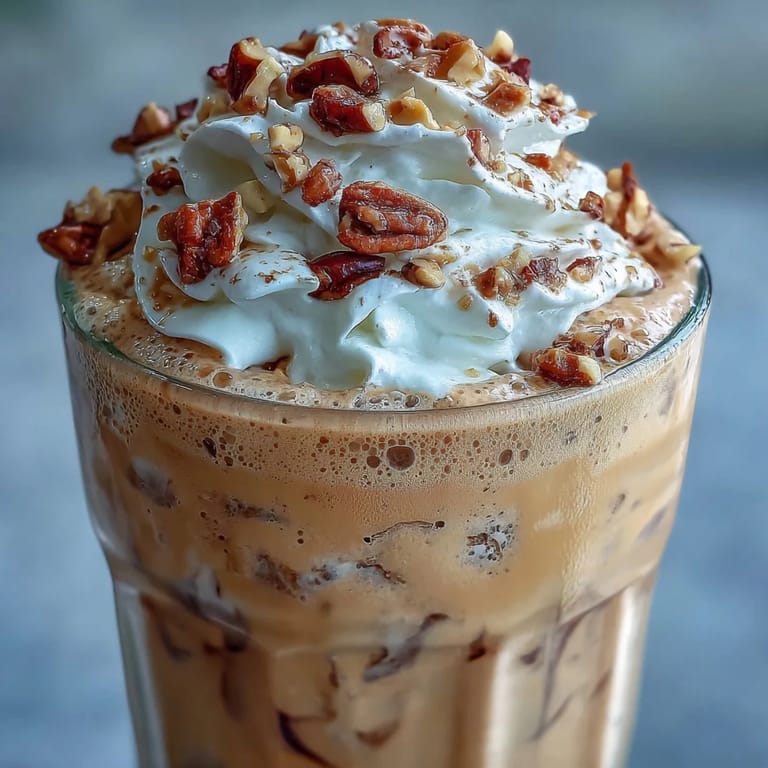
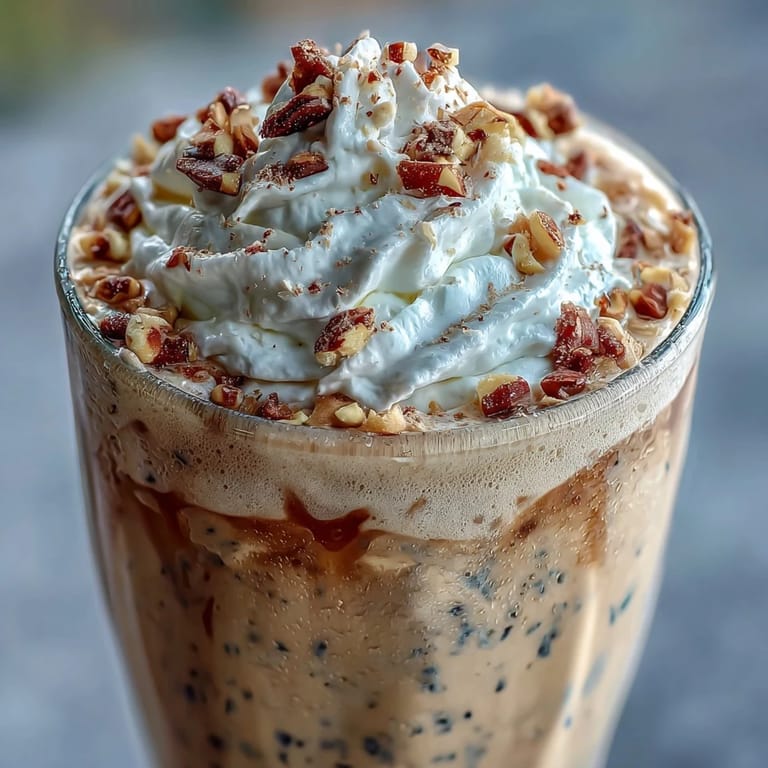
- Whipped cream: A gentle cloud on top, optional but it adds another layer of indulgence that feels special.
- Crushed roasted nuts: A little texture, a little earthiness—think hazelnuts or almonds if you're after something subtle.
- Extra hojicha powder for dusting: It's the finishing touch that says you cared enough to make it pretty.
Tired of Takeout? 🥡
Get 10 meals you can make faster than delivery arrives. Seriously.
One email. No spam. Unsubscribe anytime.
Instructions
- Gather and measure your ingredients:
- Take your time here because once you start blending, you're committed. Chill your glasses in the freezer for just a minute or two while you prep—this small step keeps your shake frosty from the first sip to the last.
- Combine everything in the blender:
- Pour the milk first, then add your vanilla ice cream and hojicha powder directly on top. This order helps the blender work more efficiently without the powder sticking to the dry ice cream.
- Blend until smooth and creamy:
- Listen to the sound change as it goes from chunky to silky; about 30 to 45 seconds usually does it. You're looking for a consistency that flows like silk but still feels substantial enough to feel indulgent.
- Pour into your waiting glasses:
- Pour while it's still perfectly cold, right into those chilled glasses, so every ounce stays frosty. The moment between blending and drinking is when the shake is at its absolute best.
- Top with all your favorite finishes:
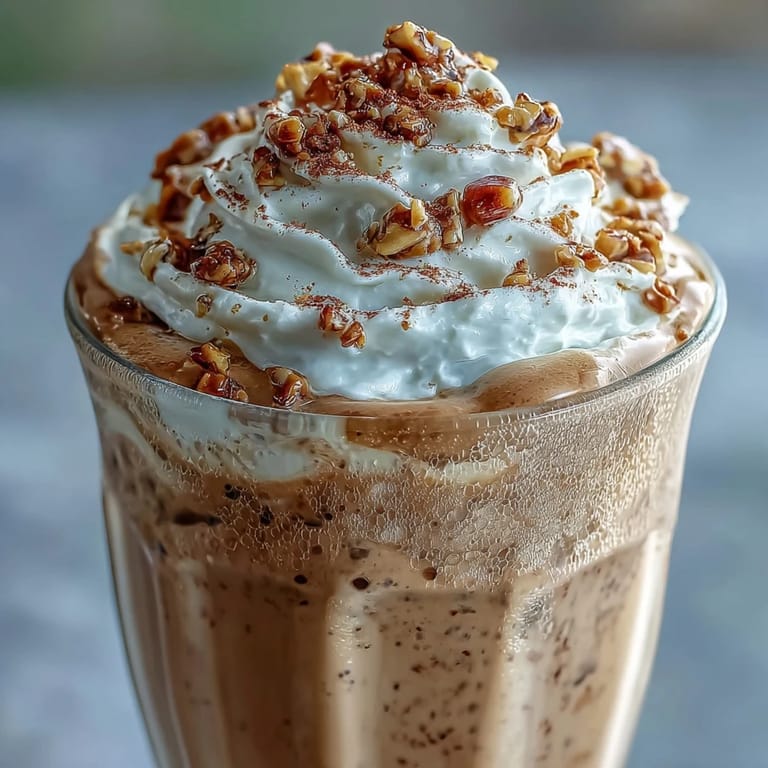
- A cloud of whipped cream first, then a gentle dust of hojicha powder so it looks like the tea itself is floating on top, then scatter your crushed nuts if you're using them. Serve with a sturdy straw and maybe a small spoon for the whipped cream.
 Save
Save There was an afternoon when my neighbor came over carrying her grandmother's ceramic teacup collection, wanting to show me before she packed them away. We ended up drinking hojicha milkshakes from mismatched mugs instead, and somehow it felt right—something between tea ceremony and ice cream parlor, Japanese tradition meeting American comfort, all in five minutes and a blender. She told me it was the first time in weeks she'd smiled without thinking about the move ahead.
Why This Works as Both Tea and Dessert
Hojicha is roasted green tea, which means it has lost some of the grassy, vegetal notes and picked up toasted, almost nutty flavors instead. When you blend it into cold, sweet vanilla ice cream, it doesn't feel medicinal or like drinking tea—it feels like a completely different thing, something warm in spirit even though it's cold in the glass. The roasting is what makes this work; raw green tea would taste strange and bitter, but hojicha was practically designed for desserts.
The Art of Not Over-Blending
Your first instinct might be to keep blending until the texture is absolutely perfect, but that extra 10 seconds can aerate the mixture too much and turn it foamy rather than creamy. The sweet spot is when it just comes together, smooth but not fluffy, still dense enough to feel like a real milkshake and not a slurry. I learned this the hard way by over-blending a batch and ending up with something that tasted great but felt like drinking air.
Customizing Your Hojicha Experience
Once you've made this a few times, you'll start to understand how much hojicha you actually like. Some people go bold with three tablespoons and love the deep, almost burnt-sugar notes, while others stick with one and a half and prefer the vanilla to shine through. The beautiful thing is there's no wrong answer here; this is your shake, and you get to decide if hojicha is the star or the supporting player.
- Start with two tablespoons as written, then adjust up or down based on whether you want more roasted tea flavor or more creamy vanilla sweetness.
- Try different plant-based milks—each one brings its own personality, and sometimes that small change makes the whole thing feel new again.
- Experiment with toppings by sampling what's actually in your kitchen; crushed pistachios, sesame brittle, even a tiny sprinkle of sea salt can transform the experience completely.
 Save
Save This milkshake became my answer to the question of what to make when someone needs something that feels like both a treat and a moment to breathe. It's the kind of recipe that reminds you that the best things in the kitchen often come from the simplest ingredients and the smallest amount of time.
Recipe FAQs
- → What does Hojicha taste like?
Hojicha has a distinctive toasty, nutty flavor with caramel undertones, unlike the grassy notes of regular green tea. The roasting process reduces bitterness and creates a warm, comforting taste that pairs exceptionally well with creamy dairy and vanilla flavors.
- → Can I make this milkshake vegan?
Absolutely. Substitute dairy vanilla ice cream with your favorite plant-based alternative like coconut, almond, or oat milk ice cream. Use whole milk alternatives such as oat or almond milk. The creamy texture remains delicious while being completely dairy-free.
- → Where can I buy Hojicha powder?
Hojicha powder is available at Japanese grocery stores, Asian markets, specialty tea shops, and online retailers. Look for culinary-grade powder specifically meant for cooking and baking, as it dissolves more easily in liquids compared to ceremonial tea powder.
- → How do I adjust the tea flavor intensity?
Start with 2 tablespoons of Hojicha powder for a balanced flavor. For a stronger tea presence, increase to 3 tablespoons. If you prefer a milder taste that lets the vanilla shine through, reduce to 1 tablespoon. The powder blends smoothly, so adjusting is simple.
- → Can I prepare this in advance?
This milkshake tastes best when served immediately after blending, as the icy texture is at its peak. However, you can prep ingredients ahead by measuring Hojicha powder and having your ice cream softened slightly. Blend just before serving for optimal creaminess and frothy texture.