 Save
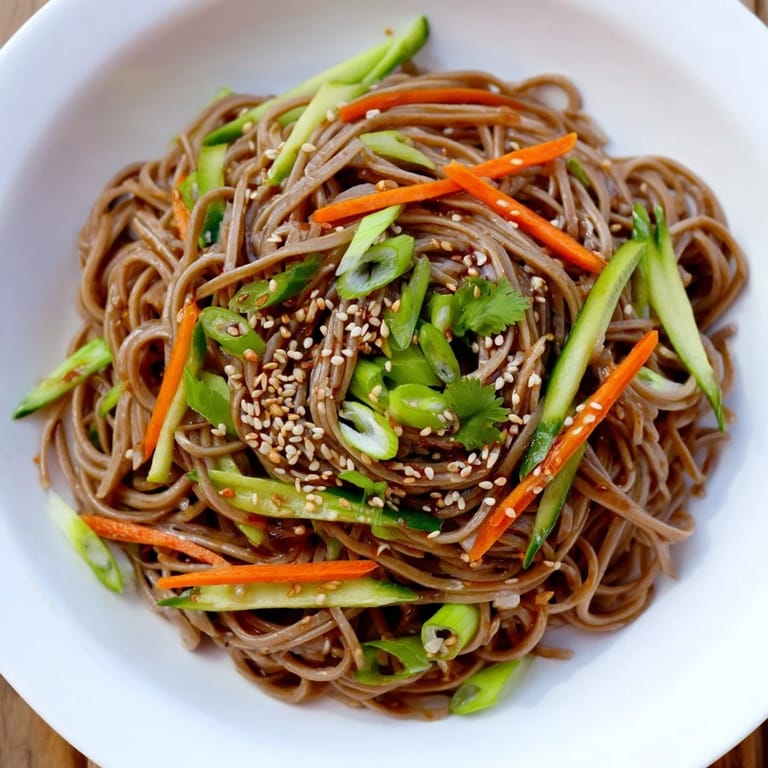
Save I discovered these noodle cups on a sweltering afternoon when my meal prep plans fell apart and I needed something that wouldn't wilt in the heat. Standing in front of my pantry with cold soba noodles and a half-empty bottle of sesame oil, I realized I could build an entire lunch that actually got better as it sat in the fridge. The first bite—crisp cucumber meeting silky noodles with that nutty sesame perfume—felt like I'd finally cracked some kind of lunch code. Now I make these every week, and I've stopped apologizing for eating the same thing five days in a row.
I brought these to a work potluck last spring and watched my coworker eat it straight from the container while standing at the counter, no fork, just tilting the bowl with each chopstick pinch. She asked for the recipe before she'd finished, and that's when I knew I was onto something. Since then, three people in my office started making their own versions, and we've turned into accidental lunch rivals, each tweaking the sauce a little differently.
Ingredients
- Dried soba or rice noodles (200 g): Soba gives you that earthy, slightly nutty flavor that pairs perfectly with sesame, while rice noodles are lighter if that's your preference—either way, cook just until tender and rinse aggressively until the water runs clear so they don't clump.
- Soy sauce (3 tbsp): This is your umami backbone; low sodium lets you control the salt and keeps the vegetables' natural flavors from getting drowned out.
- Toasted sesame oil (2 tbsp): Never skip the toasted variety—regular sesame oil tastes thin and flat by comparison, and a little goes a long way since this oil is potent.
- Rice vinegar (1 tbsp): The acid brightens everything and prevents the sauce from feeling heavy, especially after the noodles have been sitting for a day.
- Honey or maple syrup (1 tsp): Just enough sweetness to balance the salty-spicy-sour notes without making this taste like a dessert bowl.
- Chili garlic sauce (1–2 tsp): Start with 1 teaspoon and taste as you go; this stuff has personality and everyone's spice tolerance is different.
- Cucumber, julienned (1 cup): Cut it just before assembly if you can, but if you're prepping ahead, keep it separate from the noodles or it'll weep water into your sauce.
- Carrots, julienned (2 medium): Raw carrots add a subtle sweetness and they stay crisp all week, making them the real MVP of this salad.
- Green onions, thinly sliced (2): Slice these the morning you eat, or they'll turn brown and bitter sitting in the fridge.
- Toasted sesame seeds (2 tbsp): Toast them yourself in a dry pan if you have time—the difference is noticeable and kind of shocking.
- Fresh cilantro, chopped (1 tbsp optional): I skip it about half the time depending on my mood, but when I include it, it adds a brightness that makes people ask what you did differently.
Tired of Takeout? 🥡
Get 10 meals you can make faster than delivery arrives. Seriously.
One email. No spam. Unsubscribe anytime.
Instructions
- Cook and chill the noodles:
- Boil your noodles until they're just tender—read the package, but start checking a minute early because overcooked noodles turn into mush once they're sitting in sauce. Drain and rinse under cold running water, stirring gently with your hands until they feel completely cold and don't stick together.
- Build your sauce:
- Whisk soy sauce, sesame oil, rice vinegar, honey, and chili garlic sauce in a small bowl until the honey dissolves and everything looks unified. Taste it straight from the bowl and adjust the heat or saltiness now, before you pour it over four servings.
- Assemble the cups:
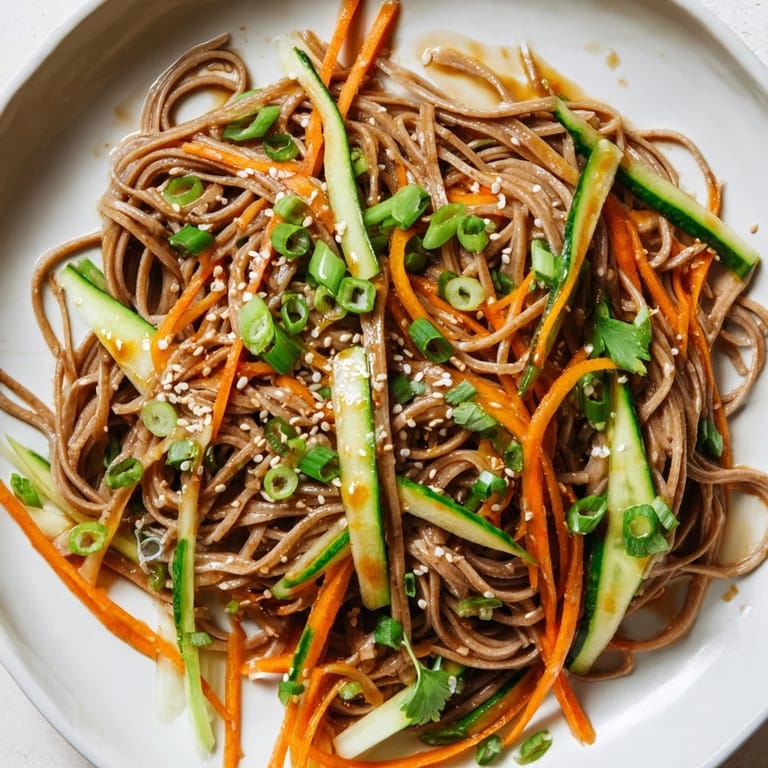
- Divide cold noodles evenly among your containers, then top with cucumber, carrot, and green onion in whatever pattern feels right—the whole point is that you'll toss it together when you eat it.
- Sauce and seal:
- Drizzle sauce over each cup and give everything a gentle toss so the noodles get coated but the vegetables stay somewhat intact. Scatter sesame seeds and cilantro on top, cover tightly, and refrigerate.
 Save
Save There's a moment on day two when you open the fridge and the sesame smell hits you, and suddenly a lunch that felt like an obligation this morning becomes something you're actually excited to eat. That's when you realize this recipe isn't about being healthy or efficient—it's become something you genuinely want.
Choosing Your Noodles
Soba noodles are my default because they have character and don't taste like they could be used for a craft project, but I've made these with rice noodles, wheat noodles, and even udon when I was feeling reckless. The sauce carries all the flavor anyway, so the noodle choice is really about what texture you're craving—soba is toothier, rice noodles are delicate, wheat is familiar. If you're cooking for someone with dietary restrictions, this is where you get to flex and show them that limitations don't mean boring food.
Building Your Own Version
The vegetables I've listed are just a starting point, not a command. I've made these with shredded cabbage instead of cucumber, with red pepper, with snap peas, with whatever looked good at the farmers market that morning. The only rule is that vegetables should have some contrast—something crisp, something sweet, something with a little color—so your bowl doesn't look like you gave up halfway through lunch. Cubed tofu, shredded rotisserie chicken, a poached egg, or a handful of edamame turn these into proper meals instead of expensive side dishes.
Storage and Keeping
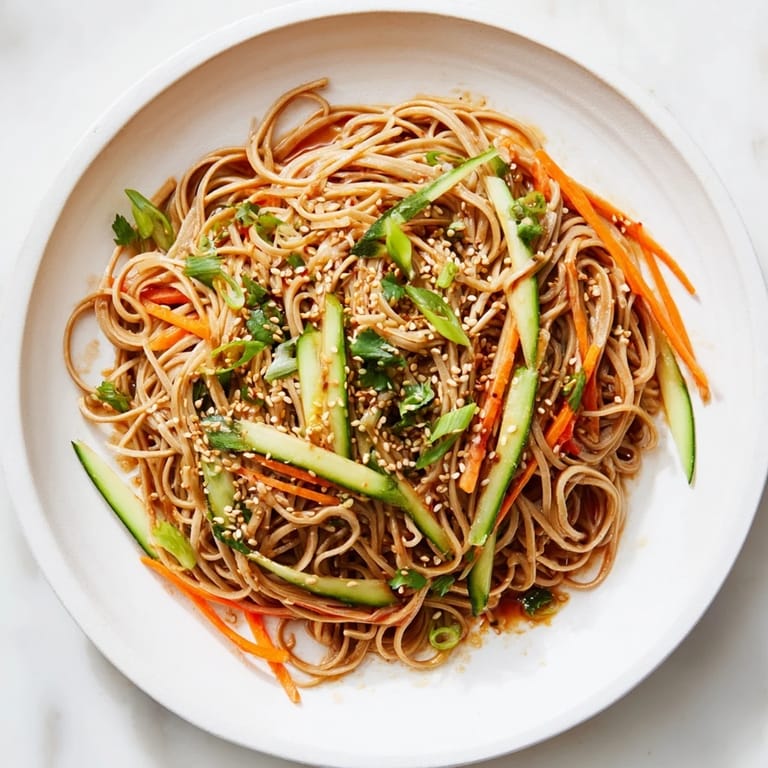
These containers sit beautifully in the fridge for three days, though I've pushed it to four when I've been lazy about grocery shopping. The sauce continues to soak into the noodles, so day three actually tastes richer than day one, which is rare for meal prep and kind of magic. Don't stack the containers too high or your pretty vegetable arrangement gets crushed, and if you're transporting these to work, pack them in a small cooler or they'll arrive at room temperature and sad.
- Pack the sesame seeds and cilantro separately if you're prepping more than two days ahead—they get soft otherwise.
- Cold noodles are actually better for you than hot ones because your body processes them differently, so feel smug about your meal prep.
- If the noodles stick together after a day in the fridge, add a teaspoon more sesame oil and toss gently to loosen them.
 Save
Save This recipe exists because I was tired and hungry and found something in my kitchen that worked, and now it's become the thing I make when I want to feel like I have my life together. Start here, then make it yours.
Recipe FAQs
- → What type of noodles work best for this dish?
Dried soba noodles or rice noodles are ideal for their texture and ability to absorb flavors while staying firm when chilled.
- → How can I adjust the spice level?
Modify the amount of chili garlic sauce to your preferred heat level, starting with less and adding more gradually.
- → Can I prepare this in advance?
Yes, these noodle cups keep well refrigerated for up to three days, making them perfect for meal prep.
- → What proteins pair well with this dish?
Adding cubed tofu, shredded chicken, or edamame boosts protein and complements the flavors.
- → Are there gluten-free options available?
Use gluten-free tamari sauce and rice noodles to make the dish gluten-free while maintaining flavor.