 Save
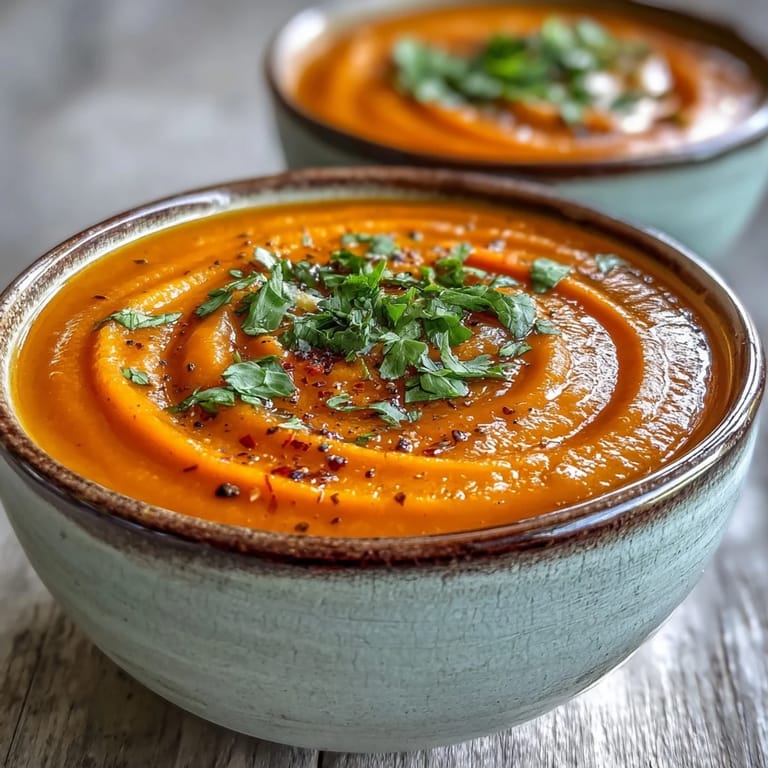
Save My neighbor showed up at my door one October afternoon with a bag of carrots so orange they looked almost unreal, and I had no idea what to do with them beyond the usual roasting. She mentioned ginger, broth, and something about blending it all together, and by evening my kitchen smelled like warmth itself. That soup became the thing I made whenever someone needed comfort without fuss, and it turns out carrots and ginger were waiting for me to discover what they could become together.
I made this for my mom during one of those weeks when she wasn't feeling herself, and watching her face as she tasted it told me everything. She went back for seconds without asking, which was rare, and asked for the recipe in a tone that made it clear this wasn't just lunch anymore. That's when I realized soup like this does something beyond nourish—it says you're worth the effort, even when the effort barely registers.
Ingredients
- Olive oil: Just enough to get things moving in the pot; don't skip it because it carries flavor.
- Onion: One medium, diced fine enough to soften quickly and disappear into the background.
- Garlic cloves: Two, minced small so they don't overpower but add that savory undertone.
- Carrots: About 700 grams, peeled and sliced into coins so they cook evenly and blend smooth.
- Fresh ginger: Two tablespoons finely grated—this is where the magic happens, so use the real stuff.
- Vegetable broth: One liter keeps things balanced; use gluten-free if that matters to you.
- Coconut milk: A cup if you want richness, but honestly you can leave it out and still have something beautiful.
- Sea salt: A teaspoon to start, then taste and adjust because every palate is different.
- Black pepper: A quarter teaspoon, freshly ground if you have the means.
- Lemon juice: From half a lemon, squeezed at the end to brighten everything up.
Tired of Takeout? 🥡
Get 10 meals you can make faster than delivery arrives. Seriously.
One email. No spam. Unsubscribe anytime.
Instructions
- Build the aromatics:
- Heat the olive oil over medium until you can feel the warmth, then add your diced onion and let it go translucent and soft, about three to four minutes. You're not looking for color here, just tenderness and the beginning of sweetness.
- Wake up the ginger and garlic:
- Stir in the minced garlic and grated ginger and let them sit for just a minute—your kitchen will smell like something from a dream. This brief cooking step removes any raw edge and gets the flavors ready to play together.
- Toast the carrots lightly:
- Add your sliced carrots and stir them around for two minutes so they start to understand what's happening. You're not cooking them through yet, just introducing them to the heat.
- Build the broth base:
- Pour in your vegetable broth, bring everything to a boil, then turn the heat down and cover the pot. Let it simmer for twenty to twenty-five minutes until the carrots are so tender they fall apart with a fork.
- Puree into velvet:
- Once the carrots are completely soft, grab your immersion blender and work through the soup until it's smooth as silk, or transfer it in batches to a regular blender if that's what you have. Take your time with this step because the texture is what makes people want more.
- Finish with brightness:
- Stir in the coconut milk if you're using it, then squeeze in your lemon juice and season with salt and pepper. Warm it gently for a couple of minutes so everything melds, then taste and adjust because this is your moment to make it exactly right.
- Serve with intention:
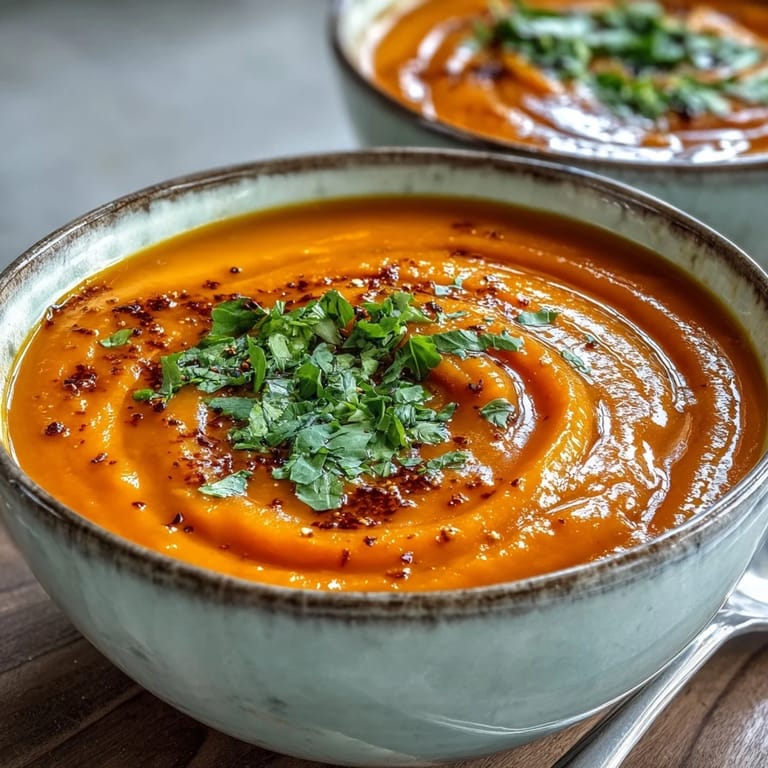
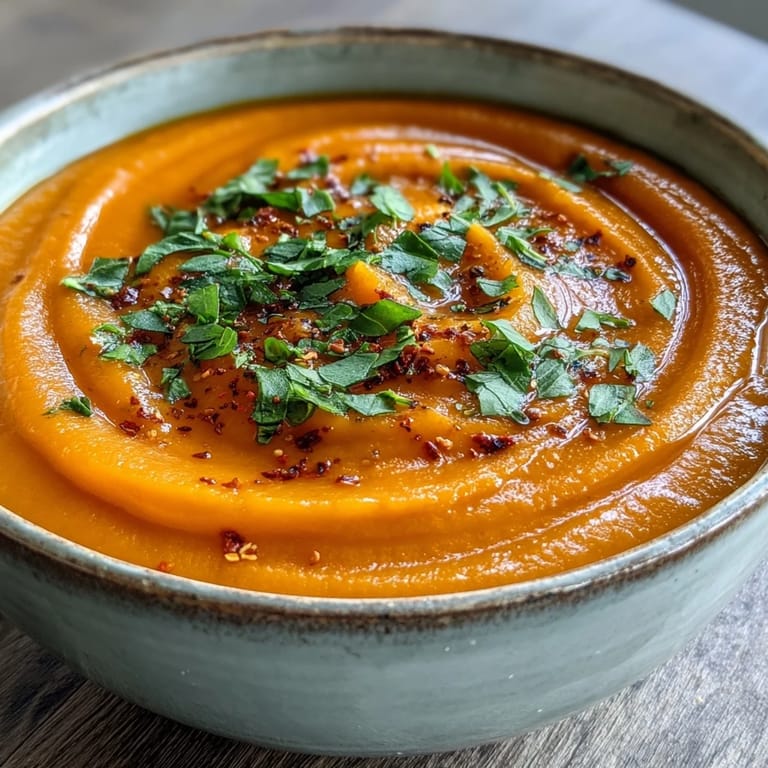
- Pour it into bowls while it's still steaming and add whatever garnish speaks to you—a drizzle of coconut milk, fresh herbs, toasted seeds.
 Save
Save My daughter asked me last week if this was a special-occasion soup, and I told her it was the opposite—it's what we make when we just need something that tastes like home. She understood that immediately, which made me realize some recipes don't need bells and whistles, just honesty and carrots.
The Magic of Ginger
Fresh ginger is the reason this soup has personality instead of just sweetness. It brings a gentle warmth that builds as you sip, not a shock or anything aggressive, just a quiet presence that makes you feel taken care of. The key is using fresh rather than ground because the difference is the difference between cooking and creating.
When to Go Lighter, When to Go Richer
I've made this soup a hundred different ways depending on the season and who's eating it. During summer I often skip the coconut milk and add an extra squeeze of lemon to keep it bright, while in winter that coconut milk becomes essential, like a warm coat you didn't know you needed. Heavy cream works beautifully too if that's what's in your fridge, or you can leave it out entirely and still have something complete and satisfying.
Beyond the Bowl
This soup has a way of becoming more than just dinner once you start thinking about what it could become. I've poured it cold over ice cream made with yogurt, used it as a sauce for roasted vegetables, even swirled it into grain bowls where it acted like a silky dressing. The moment you realize a recipe is flexible is the moment it stops being instructions and starts being a conversation.
- Add a pinch of ground cumin or coriander with the ginger if you want earthiness and depth.
- Fresh cilantro, parsley, or toasted pumpkin seeds on top turn it into something that looks like you were trying.
- This soup freezes beautifully for up to three months, making it a gift you can give yourself on a tired day.
 Save
Save This soup taught me that comfort doesn't require complexity, just intention and a willingness to let simple things be enough. Make it for someone, or make it for yourself, and watch how something so straightforward can feel like the best decision you made all day.
Recipe FAQs
- → Can I freeze this soup?
Yes, this soup freezes beautifully for up to 3 months. Let it cool completely before transferring to freezer-safe containers. Leave space for expansion and thaw overnight in the refrigerator before reheating gently on the stove.
- → How do I make it thicker?
Simmer uncovered for 5-10 minutes longer to reduce liquid, or add more coconut milk for creaminess. You can also blend in a cooked potato or add a tablespoon of cornstarch slurry during the final minutes of cooking.
- → Can I use dried ginger instead?
While fresh ginger provides the best flavor and heat, you can substitute 1 teaspoon of ground ginger. Add it with the garlic in step 2, but reduce the amount slightly as dried spices are more concentrated.
- → What other vegetables work well?
Sweet potatoes, butternut squash, or pumpkin pair beautifully with ginger. You can substitute up to half the carrots with these alternatives for variation without changing the cooking time or method.
- → Is it possible to make without coconut milk?
Absolutely. Simply omit the coconut milk for a lighter broth-based version, or substitute with heavy cream, cashew cream, or additional vegetable broth for the liquid. Adjust seasoning to taste after the change.