 Save
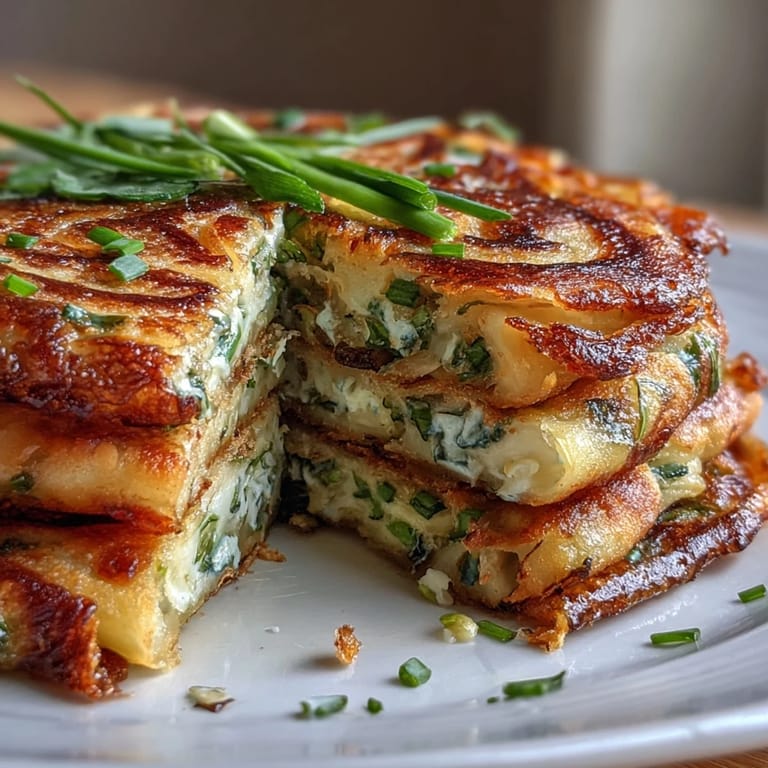
Save The first time I made spring onion pancakes at home, the kitchen filled with the sound of sizzling oil and the sharp, grassy aroma of fresh scallions. I wasn't sure my hands would manage the dough—sometimes it stuck, sometimes it stretched perfectly. There was something satisfying about rolling spirals and feeling flour dusted on my palms, almost like creating a little edible masterpiece. Biting into that first flaky wedge, still warm, was pure joy—unexpectedly simple and entirely addictive.
One rainy afternoon, I cooked these for a friend who had never tried Asian pancakes before—her surprise at the crispy layers and gentle onion flavor instantly lit up our kitchen. We stood by the stove, tearing off pieces, dipping them into salty soy, chatting over the soft patter of rain and the gentle snap of each bite.
Ingredients
- All-purpose flour: Provides a sturdy yet tender dough—sift it for the best texture.
- Boiling water: Helps form a supple dough and gives the pancakes their chewy bite; stir it in slowly to prevent lumps.
- Cold water: Finishes bringing the dough together—adding it after boiling water keeps the texture just right.
- Salt: Adds depth all the way through; don't skip it in either dough or filling.
- Spring onions (scallions): Opt for fresh, crisp bunches—the greener the better for aroma and color.
- White pepper (optional): Offers gentle heat and pairs beautifully with the onion (a little goes a long way).
- Vegetable oil: Use a neutral oil so the flavor doesn't overpower the filling; don’t be shy, more oil creates flakier layers and crisp edges.
Tired of Takeout? 🥡
Get 10 meals you can make faster than delivery arrives. Seriously.
One email. No spam. Unsubscribe anytime.
Instructions
- Make the dough:
- Combine your flour and salt in a large bowl, then pour in the boiling water. Stir vigorously and watch as the mixture starts coming together, then add cold water and knead until the dough is smooth and elastic—expect warm, sticky hands at first, but it'll come together in about five minutes. Cover with a damp cloth and let it rest for twenty minutes (perfect time for cleaning up and prepping the onions).
- Divide and shape:
- Once rested, split your dough into four equal pieces and roll each into a ball. They might feel slightly tacky—just dust them with extra flour as needed.
- Roll and fill:
- On a lightly floured surface, roll a dough ball into a thin rectangle, about one eighth of an inch thick. Brush with a thin layer of oil and sprinkle over a quarter of the spring onions, a small pinch of salt, and some white pepper if you like.
- Form the spiral:
- Roll up the sheet tightly like a jelly roll, then coil it into a round spiral, tucking the end underneath. Gently flatten the coil—if it starts to crack, cover and let it rest a few more minutes before proceeding.
- Flatten the pancake:
- Roll each spiral out again into a six inch disc—don't worry if some onions poke through, that'll just caramelize and add flavor.
- Pan-fry the pancakes:
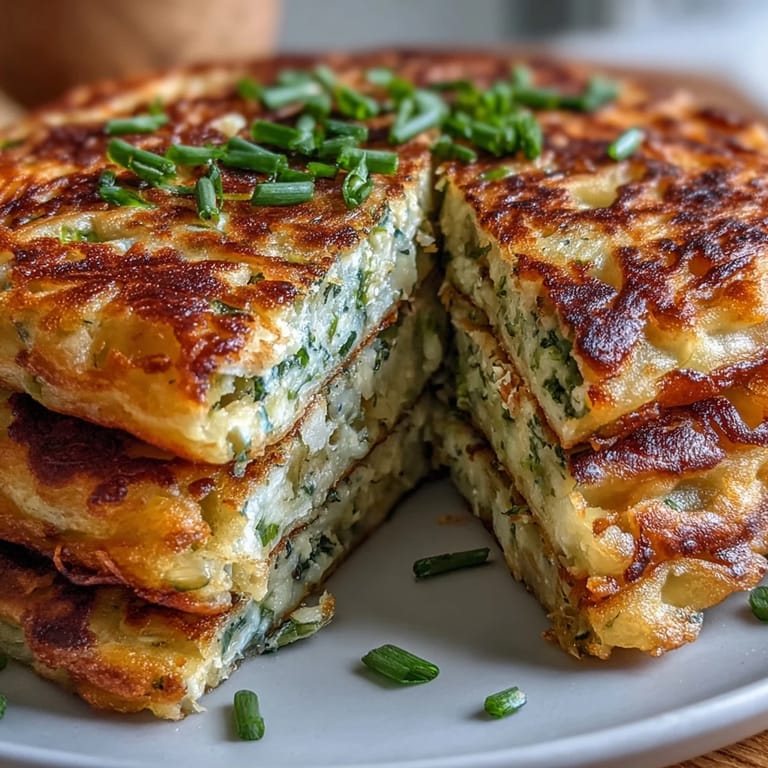
- Heat oil in a nonstick skillet over medium heat until shimmering. Cook one pancake at a time, flipping when the underside is golden; about two to three minutes per side creates a perfectly crisp crust.
- Drain and serve:
- Place fried pancakes on a paper towel lined plate and slice into wedges while still warm. Serve quickly, preferably with a side dip of soy sauce or chili oil.
 Save
Save This recipe truly became special when my younger cousin, usually a picky eater, asked for seconds and then wanted to help roll out the next batch; it became an impromptu hands-on cooking afternoon filled with laughter and messy flour smudges everywhere.
How to Make Pancakes Extra Crispy
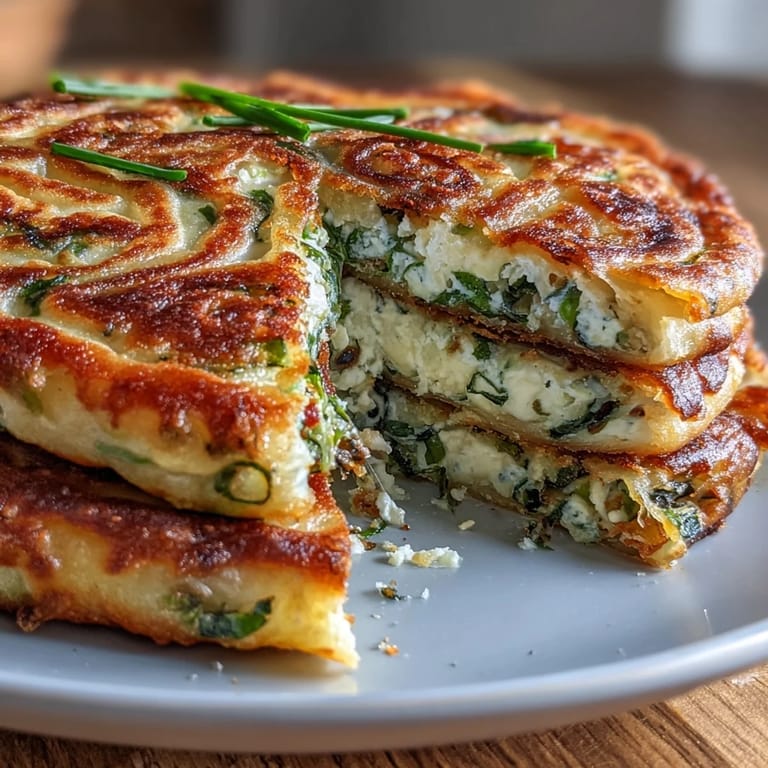
The best crispy pancakes come from using enough oil and letting your skillet get properly hot before frying. When the dough hits the pan, listen for that quiet sizzle—it means the pancake will develop those gorgeous, golden, flaky layers that shatter under your fork.
Serving Suggestions for Maximum Enjoyment
I love serving these alongside a tangy soy dipping sauce, and sometimes I sprinkle a few sesame seeds on top for extra crunch. For a heartier snack, try pairing with lightly pickled vegetables to cut the richness of the pancakes.
Little Twists That Change Everything
Over time, I started adding small toppings like toasted sesame seeds or a hint of chili oil to the filling before rolling. Even finely chopped garlic can elevate the flavor if you want something bolder. Just be sure not to overload or the pancakes won't hold together as well.
- Brush the dough layers generously with oil before rolling for extra flakiness.
- Let the finished pancakes rest a minute before slicing so steam can escape and the outside stays crisp.
- Always prep more green onions than you think you'll need—everyone wants another round.
 Save
Save However you serve them, homemade spring onion pancakes seem to disappear as quickly as they're made. Passing around a warm plate while chatting with friends is honestly my favorite way to enjoy them.
Recipe FAQs
- → How does the hot water affect the dough?
Hot water partially gelatinizes the flour, making the dough more extensible and easier to roll thin. It helps create tender layers while still allowing crisping when fried.
- → How do I achieve extra flakiness?
Brush each rolled layer generously with oil before rolling and coiling. Thin rolling, tight coiling, and gentle flattening create many layers that separate and crisp during frying.
- → What’s the best way to pan-fry for an evenly golden crust?
Use medium heat and a nonstick skillet with a thin film of oil. Fry 2–3 minutes per side, adjusting heat so the surface browns without burning. Add oil between pancakes as needed for even contact.
- → Can I prepare them ahead and reheat?
You can assemble and refrigerate for a few hours before frying. For reheating, crisp them in a skillet over medium heat or warm in a 350°F oven to restore crunch; avoid the microwave to prevent sogginess.
- → Any good substitutions for scallions?
Finely chopped chives or a mixture of green herbs with a touch of minced garlic work well. Keep pieces small so they layer evenly and release flavor without making the dough soggy.
- → How can I adapt them for dietary needs?
These pancakes rely on wheat flour for structure and layering; for gluten-free versions, experiment with a blend of rice and tapioca flours and adjust hydration, though texture will differ. Use allergy-safe oil and condiments when needed.