 Save
Save There's a moment in every Greek taverna when the kitchen sends out saganaki, and the whole table goes quiet. I learned to make this dish on a sun-soaked afternoon in Athens, watching a cook work with such casual confidence that I realized the magic wasn't in technique—it was in the deliberate simplicity. Cheese, flour, oil, heat, and the sharp bite of lemon. That's it. The first time I tried it at home, I nearly burned my mouth because I couldn't wait for it to cool, and somehow that impatience felt exactly right.
I made this for a dinner party once, thinking I'd prepare everything ahead, and learned the hard way that saganaki demands to be fried at the last possible moment. My guests arrived early, I panicked, but then something wonderful happened—I fried the cheese while they stood in the kitchen, still in their coats, and the whole mood shifted. It stopped being a dinner party and became something more like a shared ritual. We stood there eating warm, salty cheese off a plate while talking about nothing important, and I realized that's when food actually matters.
Ingredients
- Firm Greek cheese (kasseri, kefalotyri, or halloumi), 200g, sliced 1 cm thick: This is non-negotiable—you need a cheese with a high melting point that won't fall apart in the pan. Kasseri is the most traditional, with a subtle tang that makes the whole thing sing.
- All-purpose flour, 2 tbsp: This creates the golden crust, but don't go heavy-handed or you'll end up with a floury coating instead of a delicate crisp.
- Olive oil, 2 tbsp: Use good oil, the kind you actually enjoy the taste of, because it's one of only five ingredients here.
- Lemon wedges: The acid is essential—it cuts through the richness and makes you want another piece immediately.
- Dried oregano, 1/2 tsp, and black pepper: These aren't afterthoughts; they're the finishing notes that make it taste like you know what you're doing.
Tired of Takeout? 🥡
Get 10 meals you can make faster than delivery arrives. Seriously.
One email. No spam. Unsubscribe anytime.
Instructions
- Dry your cheese like you mean it:
- Pat each slice with paper towels until they feel completely dry to the touch. Moisture is the enemy of crispiness, and this small step changes everything.
- Flour them lightly:
- Dredge each slice in flour, then tap off any excess so you have just a whisper of coating. You want gold, not grey.
- Get your oil hot and ready:
- Heat the olive oil in a non-stick skillet over medium-high heat until it shimmers slightly. If it's not hot enough, the cheese will leak out before it crisps; too hot and you'll burn the outside before the inside warms.
- Fry with purpose:
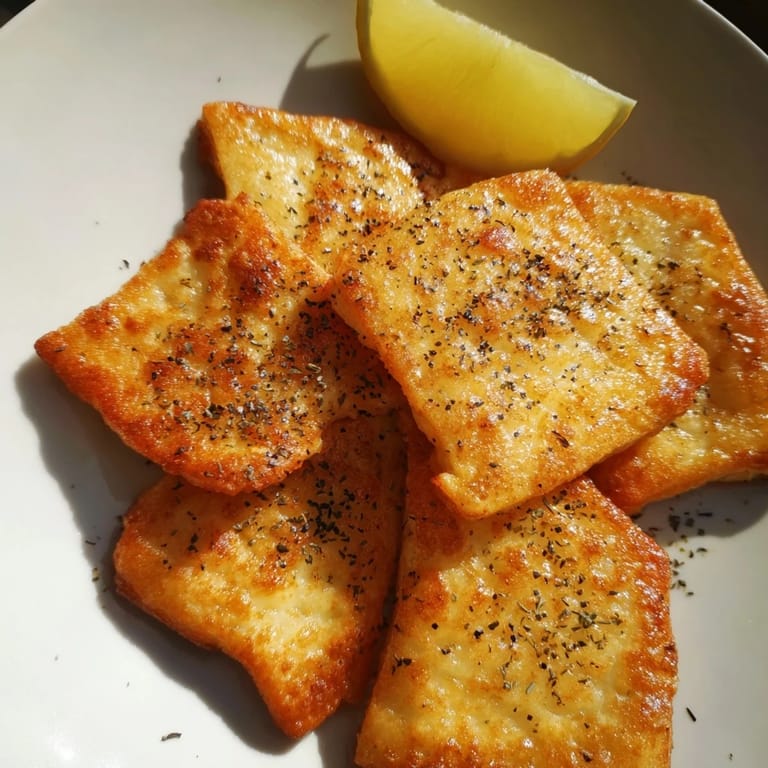
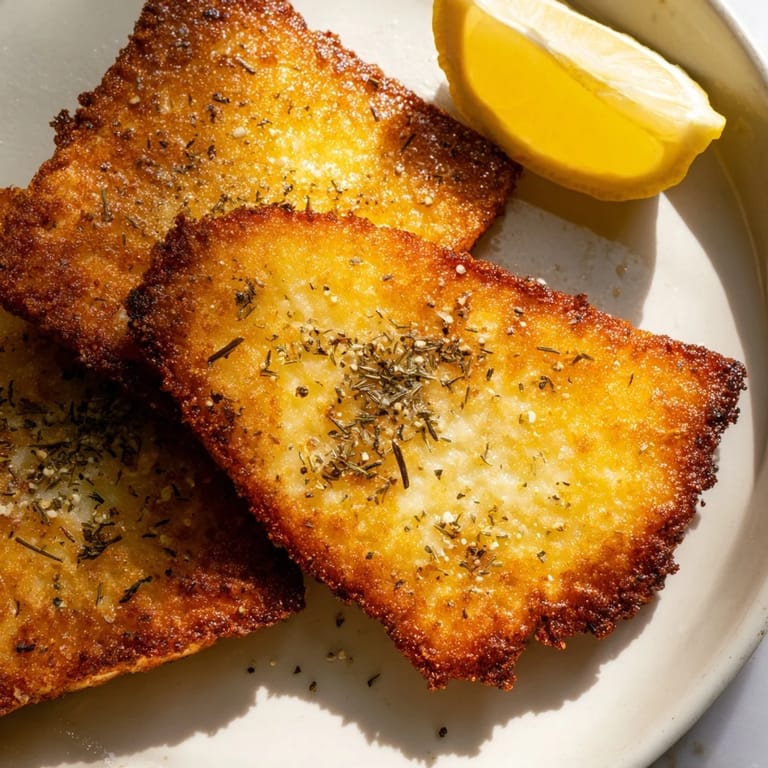
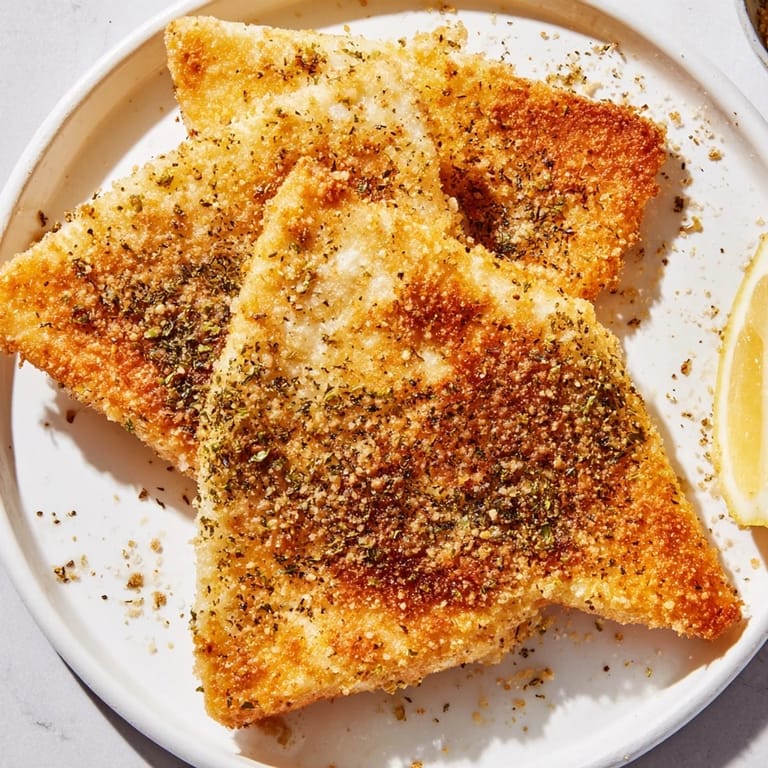
- Add the cheese slices and listen for that immediate sizzle. You're aiming for 1 to 2 minutes per side—golden brown, not dark. The cheese will soften slightly but hold its shape.
- Drain and finish:
- Transfer to paper towels for just 30 seconds, then onto your serving plate. Sprinkle with oregano and pepper while it's still hot, so the flavors stick.
- Serve immediately:
- Hand it to people with lemon wedges and watch what happens next.
 Save
Save There's something about eating warm saganaki that makes conversation pause. My grandmother used to say that good food stops people mid-sentence, and with this cheese, it's literally true—everyone's mouth is too full and too happy to speak. That's when you know you've gotten it right.
Why This Cheese Matters
Kasseri and kefalotyri are traditional for a reason: they have a higher melting point than softer cheeses, so they hold their shape in the pan and develop that crucial golden crust. If you use halloumi or graviera instead, you're still in good territory—they have similar structural integrity. The key is firmness; avoid crumbly cheeses that will fall apart the moment they hit hot oil. I once tried this with feta because that's what I had on hand, and learned an expensive lesson about cheese physics. Stick with the hard or semi-hard varieties and you'll be fine.
The Lemon Question
I used to think lemon was optional, just something you squeezed on if you felt like it. Then I had saganaki at a small taverna on Santorini where the lemon wasn't a suggestion—it was the whole point. The acidity cuts through the richness of the warm cheese in a way that makes your mouth water for the next bite. Now I serve it with more lemon than seems necessary, and everyone always uses every wedge. Pair this with a crisp white wine like Assyrtiko if you're making a whole evening of it, or just drink cold water and enjoy the simplicity.
Small Details That Make the Difference
This is a dish where there's nowhere to hide, so every choice matters. The thickness of your cheese slice, the temperature of your oil, the timing of your sprinkle of oregano—these small things add up to either a triumph or a disappointment. I've learned to approach saganaki with intention rather than rushing through it. It only takes 10 minutes, but those 10 minutes deserve your actual attention.
- Slice your cheese about 1 centimeter thick—thicker and it won't cook through properly, thinner and it falls apart before it gets crispy.
- If you're cooking gluten-free, swap the flour for a gluten-free blend and the result is virtually identical.
- Make this just before you serve it; it's one of those rare dishes that doesn't improve with sitting around.
 Save
Save Saganaki taught me that the best dishes aren't always the most complicated ones. Sometimes they're just honest—good ingredients, a hot pan, and your full attention for 10 minutes. That's all you need.
Recipe FAQs
- → What type of cheese is best for Saganaki?
Traditional choices include kasseri, kefalotyri, or halloumi, which hold up well to frying and develop a golden crust.
- → Can I make this dish gluten-free?
Yes, use gluten-free flour for coating to ensure it fits a gluten-free diet without compromising the crispiness.
- → How should the cheese be prepared before frying?
Slice the cheese into 1 cm thick pieces and pat them dry to remove moisture, allowing for a better golden crust.
- → What is the cooking method for a crispy finish?
Lightly coat cheese slices in flour and fry in olive oil over medium-high heat for 1–2 minutes per side until golden brown.
- → How is the dish traditionally served?
Serve hot with fresh lemon wedges to squeeze over the cheese, and sprinkle with dried oregano and black pepper for added flavor.
- → What wine pairs well with this dish?
A crisp white wine like Assyrtiko complements the savory, tangy notes of the fried cheese beautifully.